Shilajit gummies are a convenient, chewable form of shilajit—a mineral-rich resin used for centuries in Ayurvedic medicine. Research suggests shilajit may support energy, testosterone, cognitive function, and recovery. Gummies offer accurate dosing and better daily consistency than traditional resin, making them a practical choice for most people exploring this wellness supplement.
Shilajit has been used in traditional Ayurvedic medicine for thousands of years. Known across South Asian and Central Asian traditions as a natural tonic for vitality and longevity, this dark, resinous substance oozes from rocky mountain crevices—primarily in the Himalayas, Altai Mountains, and Caucasus range—as organic matter decomposes and compresses over centuries.
For most of recorded history, shilajit was consumed as a raw resin dissolved in warm water or milk. That process worked, but it came with friction: the taste is strongly earthy, the measuring is imprecise, and the preparation ritual discourages many people from staying consistent. Enter shilajit gummies—a modern, easy-to-take format that puts this ancient compound into a daily supplement routine without the tar-like flavor or guesswork.
But are shilajit gummies actually effective? Do they retain the key bioactive compounds that make the original resin worth taking? And how do they compare to other shilajit formats? This guide covers everything you need to know—from the science behind shilajit's core benefits to how gummies stack up against resin, and what to look for when buying a quality product.
What Is Shilajit and Why Has It Gained So Much Attention?
Shilajit is a phytocomplex—a substance composed of organic matter and mineral compounds—that forms naturally in mountainous regions over millions of years. Its primary bioactive component is fulvic acid, a humic substance that plays a central role in nutrient absorption and cellular energy production.
Fulvic acid helps transport minerals and nutrients across cell membranes more efficiently, which is one reason why shilajit has attracted growing scientific interest beyond its traditional use. Shilajit also contains over 85 trace minerals, including iron, zinc, magnesium, and copper, alongside other bioactive compounds such as dibenzo-α-pyrones (DBPs), which are thought to support mitochondrial function.
According to a foundational 2012 review published in the International Journal of Alzheimer's Disease by Carrasco-Gallardo, Guzmán, and Maccioni, shilajit's fulvic acid content demonstrates potential procognitive activity, including neuroprotective properties relevant to conditions like Alzheimer's disease. That study helped shift shilajit from a folkloric remedy to a subject of mainstream scientific inquiry.
The compound is now widely available in several formats—resin, powder, capsules, and increasingly, gummies—each offering a different balance of potency and practicality.
What Are Shilajit Gummies and How Are They Made?
Shilajit gummies are chewable supplements that contain a concentrated shilajit extract blended with additional ingredients such as natural flavors, sweeteners, and stabilizers. The shilajit used in quality gummies is typically purified and standardized to a specific fulvic acid content, often ranging from 20% to 75% or higher depending on the grade.
The manufacturing process involves extracting and purifying raw shilajit resin, standardizing its active compound concentration, and then incorporating it into a gummy base. During this process, some concentration is lost compared to raw resin—gummies are diluted by their additional ingredients—but the trade-off is a precisely measured, consistent dose in every serving.
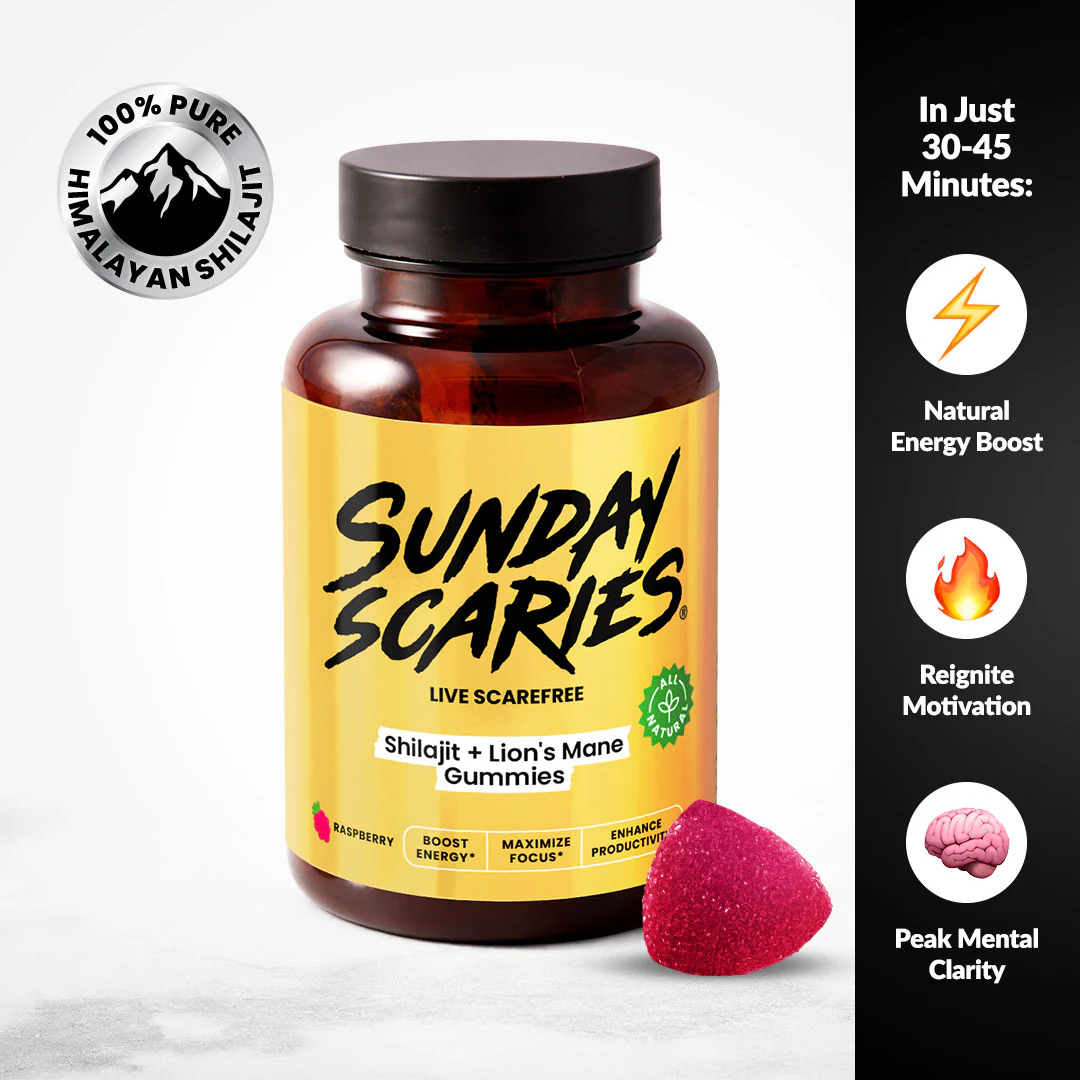
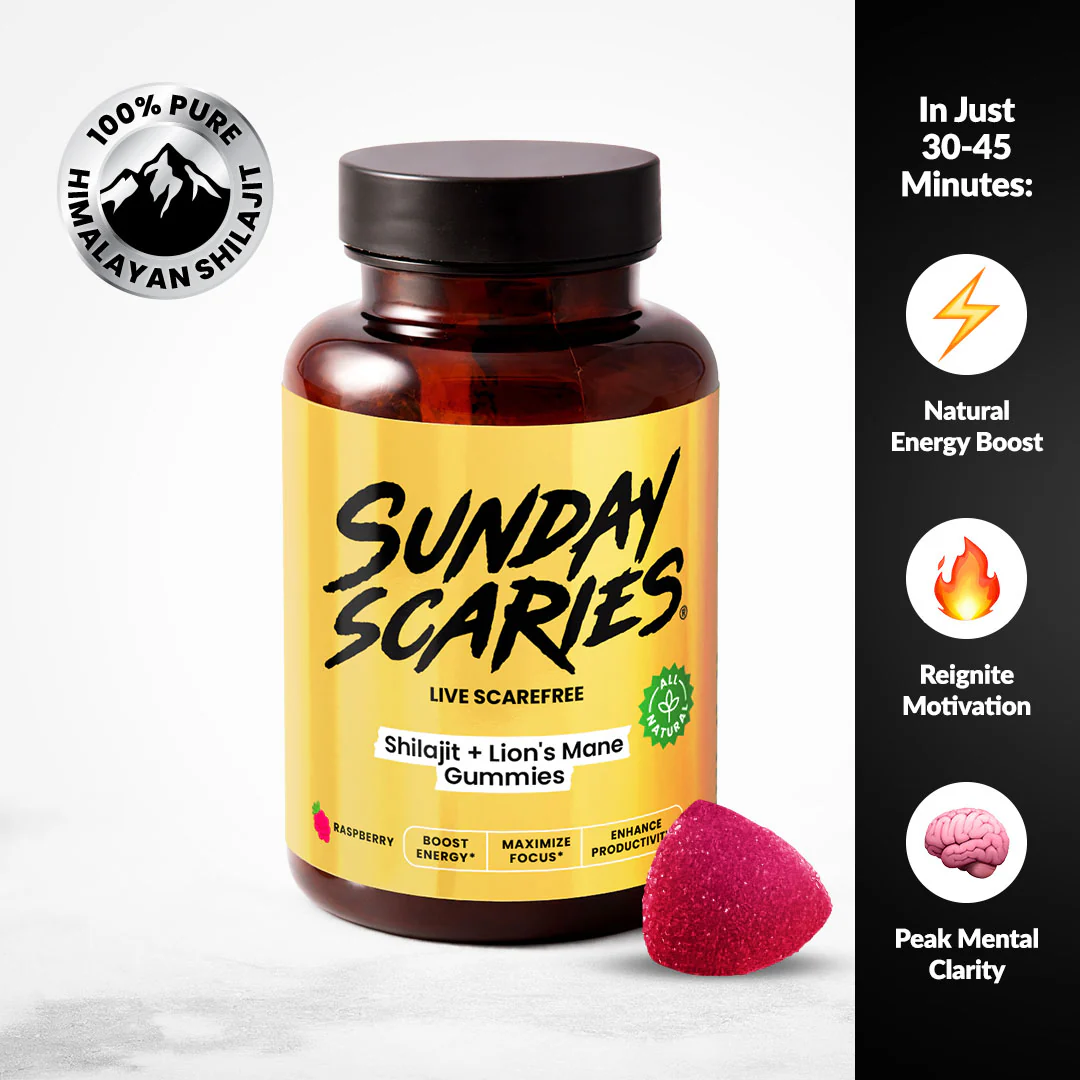
Most quality shilajit gummies on the market deliver between 200mg and 500mg of shilajit extract per serving, and reputable brands clearly state their fulvic acid percentage on the label. That transparency allows consumers to make accurate comparisons and track their intake in a way that raw resin simply does not allow.
What Are the Key Health Benefits of Shilajit?
How Does Shilajit Support Energy and Physical Performance?
One of the most commonly reported benefits of shilajit is improved energy and reduced fatigue. This is backed by scientific evidence. A 2012 study published in the Journal of Ethnopharmacology by Surapaneni et al. found that shilajit attenuates behavioral symptoms of chronic fatigue syndrome by modulating the hypothalamic-pituitary-adrenal (HPA) axis and supporting mitochondrial bioenergetics. Put simply, shilajit appears to help cells produce and use energy more efficiently—which is why so many people reach for shilajit gummies as part of their daily energy and wellness routine.
For anyone managing a demanding workload, high-intensity training, or general fatigue, this mechanism is particularly relevant. Unlike caffeine-based energy supplements, shilajit does not create a spike-and-crash cycle. Its effects accumulate gradually with daily, consistent use over several weeks.
Can Shilajit Gummies Help with Testosterone Levels?
Research suggests a meaningful connection between shilajit supplementation and testosterone. A 2015 clinical study published in the journal Andrologia by Pandit et al. evaluated purified shilajit in healthy male volunteers over 90 days. The study found statistically significant increases in total testosterone, free testosterone, and dehydroepiandrosterone (DHEA) compared to the placebo group.
This positions shilajit as a natural option worth considering for men looking to support hormonal health without synthetic interventions—though it is important to note that it should not be treated as a replacement for medical advice or treatment for clinically diagnosed hormonal conditions.
What Role Does Shilajit Play in Cognitive Function?
The same fulvic acid that supports cellular energy transport also demonstrates neuroprotective properties. Carrasco-Gallardo et al. (2012) noted that shilajit's fulvic acid may inhibit the aggregation of tau protein—a key factor in neurodegenerative disease—and reduce amyloid-beta-induced toxicity. While the research is still developing, these findings point toward shilajit as a supplement worth monitoring closely for cognitive wellness applications.
For daily users of shilajit gummies focused on mental clarity, sustained focus, or long-term brain health, this area of research provides an encouraging foundation.
Does Shilajit Support Bone Health and Recovery?
Emerging research, cited by Cleveland Clinic Health Essentials, points to shilajit's potential in supporting bone healing and slowing bone density loss associated with osteoporosis. While this evidence is still in early stages and more research is needed before firm conclusions can be drawn, the trace mineral density of shilajit—particularly its zinc, magnesium, and calcium content—makes it a supplement that may complement a bone health-focused nutrition strategy.
Athletes and active individuals also report improved post-exercise recovery with consistent shilajit use, likely connected to its mitochondrial support and anti-inflammatory properties.
Shilajit Gummies vs. Resin: Which Format Is Better for You?
This question matters because the format you choose directly impacts how consistently you take the supplement—and consistency is what produces results.
Resin is shilajit in its most concentrated, traditional form. Per milligram, it delivers more active compounds, including fulvic acid and DBPs, than any processed format. However, it requires dissolving in warm liquid, has a strongly earthy, tar-like taste, and involves imprecise daily measuring (typically a "pea-sized" amount, which varies by individual).
Gummies trade some concentration for measurable, repeatable dosing, and dramatically better palatability. A quality gummy label states its shilajit content precisely—300mg, for example—removing the guesswork from every serving. For people new to shilajit, or those who need their supplement routine to survive hectic mornings, gummies represent the practical advantage.
Here is a clear decision framework:
- Choose resin if you are an experienced user seeking maximum concentration, are comfortable with the taste, and will measure it carefully and consistently each day.
- Choose gummies if you want accurate, reproducible dosing, find the resin flavor off-putting, and want a format that integrates easily into a daily wellness routine. For most people, especially beginners, gummies are the more sustainable choice.
The most important factor in either case is third-party testing. According to a review by Stohs (2014) published in Phytotherapy Research, shilajit carries a safety profile that is generally favorable, but unpurified raw shilajit can contain elevated heavy metals. Third-party lab testing ensures the product you consume meets purity standards and contains the compounds listed on the label.
What Should You Look for When Buying Shilajit Gummies?
Not all shilajit gummies are equal. Here is what to evaluate before purchasing:
- Fulvic acid content: Quality products will state their fulvic acid percentage. Look for gummies that disclose this figure clearly—a higher percentage indicates more bioactive content.
- Shilajit dose per serving: Aim for a product delivering at least 200–300mg of standardized shilajit extract per serving, consistent with amounts used in clinical research.
- Third-party testing: Independent lab verification confirms potency, purity, and absence of contaminants such as heavy metals. This is non-negotiable.
- Source and purification: Himalayan or Altai-sourced shilajit that has undergone rigorous purification is preferable.
- Ingredient transparency: Avoid products that use excessive fillers, artificial colors, or undisclosed blends. A clean ingredient list reflects a credible manufacturer.
- Brand reputation: Look for brands with documented quality control practices and verifiable customer reviews.
How Long Does It Take to Feel the Effects of Shilajit Gummies?
Shilajit is not a supplement that delivers immediate results. Its benefits—particularly in energy, hormonal support, and cognitive function—develop over weeks of consistent daily use. Most users report noticeable changes in energy and stamina within four to eight weeks. Hormonal benefits observed in the Pandit et al. (2015) study emerged over a 90-day supplementation period.
This timeline underscores why dosing consistency matters so much. Taking shilajit gummies daily—rather than sporadically—is what allows the compound to produce the cumulative biochemical changes that research has documented. Setting a fixed time each day to take your gummies, whether with breakfast or as part of a morning wellness routine, significantly improves adherence.
Are Shilajit Gummies Safe to Take Every Day?
For most healthy adults, purified shilajit supplements are considered safe for daily use at standard doses. Stohs (2014) concluded in his Phytotherapy Research safety review that shilajit demonstrates a favorable safety profile when properly purified. The critical qualifier is purification—raw, unpurified shilajit may contain heavy metals at levels that pose health risks.
Individuals who are pregnant, breastfeeding, or managing chronic health conditions should consult a healthcare provider before beginning any new supplement, including shilajit gummies. Shilajit may also interact with certain medications, including those that affect blood pressure or blood sugar, so medical guidance is appropriate if you are managing either condition.
Start Building a Smarter Wellness Routine Today
Shilajit gummies combine centuries of traditional use with a growing body of modern scientific evidence. For individuals seeking to support their energy, hormonal health, cognitive function, and physical recovery through a natural, daily supplement, shilajit gummies offer a practical and accessible format that removes the barriers that raw resin presents for most people.
The key is choosing the right product—one that is standardized, purified, clearly dosed, and third-party tested. Once that foundation is in place, consistent daily use gives this ancient compound the opportunity to demonstrate what the research increasingly confirms it can do.
Ready to experience the benefits of shilajit for yourself? Start with a high-quality, lab-tested shilajit gummy, commit to daily use, and give it a full 8 to 12 weeks to work.
Frequently Asked Questions About Shilajit Gummies
What are shilajit gummies used for?
Shilajit gummies are taken as a daily wellness supplement to support energy, physical stamina, testosterone levels, cognitive function, and overall vitality. They deliver a standardized dose of purified shilajit in a convenient, chewable format.
Are shilajit gummies as effective as shilajit resin?
Resin is more concentrated per milligram, but gummies offer a consistent, accurately measured dose that is easier to take daily. Since shilajit's benefits depend on sustained, consistent use over weeks, gummies often produce comparable real-world results for most users.
How much shilajit should a gummy contain per serving?
Aim for a product delivering at least 200–300mg of standardized shilajit extract per serving, which aligns with the dosages used in clinical research. Always check that the fulvic acid percentage is disclosed on the label.
Can women take shilajit gummies?
Yes. While some shilajit research focuses on testosterone and male hormonal health, shilajit's benefits related to energy, mitochondrial function, trace minerals, and cognitive support are relevant to both men and women. Women who are pregnant or breastfeeding should consult a healthcare provider first.
How do I know if a shilajit gummy is safe and high quality?
Look for products that are third-party lab tested, clearly disclose their shilajit dose and fulvic acid content, use purified shilajit sourced from reputable regions, and avoid unnecessary additives or undisclosed proprietary blends.
How long should I take shilajit gummies before seeing results?
Most users notice energy and stamina improvements within four to eight weeks of daily use. Benefits related to testosterone and hormonal health, as documented in clinical studies, typically emerge over a 90-day period. Consistency is the most important factor.
References
- Carrasco-Gallardo, C., Guzmán, L., & Maccioni, R. B. (2012). Shilajit: A natural phytocomplex with potential procognitive activity. International Journal of Alzheimer's Disease, 2012, 674142. https://doi.org/10.1155/2012/674142
- Pandit, S., Biswas, S., Jana, U., De, R. K., Mukhopadhyay, S. C., & Biswas, T. K. (2015). Clinical evaluation of purified shilajit on testosterone levels in healthy volunteers. Andrologia, 48(5), 570–575. https://doi.org/10.1111/and.12482
- Surapaneni, D. K., Adapa, S. R. S. S., Preeti, K., Teja, G. R., Veeraragavan, M., & Krishnamurthy, S. (2012). Shilajit attenuates behavioral symptoms of chronic fatigue syndrome by modulating the hypothalamic-pituitary-adrenal axis and mitochondrial bioenergetics in rats. Journal of Ethnopharmacology, 143(1), 91–99. https://doi.org/10.1016/j.jep.2012.06.002
- Stohs, S. J. (2014). Safety and efficacy of shilajit (mumie, moomiyo). Phytotherapy Research, 28(4), 475–479. https://doi.org/10.1002/ptr.5018
- Cleveland Clinic Health Essentials. (2023). Shilajit benefits, side effects and uses. https://health.clevelandclinic.org/shilajit-benefits