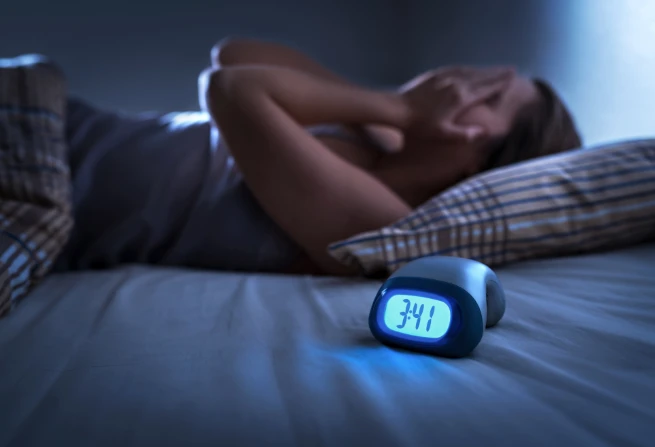


Natural Sleep Hacks for a Restful Night
Authored by Terrence Shenfield MS, RRT-ACCS, RPFT, NPS, AE-C Sleeping well is essential for health, yet so many struggl...
Read ArticleSleep is the foundation of good health, yet millions of people struggle with various sleep disorders that can significantly impact their quality of life. Whether you're dealing with anxiety-related insomnia, autism-related sleep challenges, or the unique challenges of shift work, understanding these conditions is the first step toward better sleep management.
When people ask "what are five types of sleep disorders," healthcare professionals typically highlight these common conditions:
Each of these disorders requires different management approaches, and many people experience multiple sleep challenges simultaneously.
The relationship between anxiety and sleep creates a frustrating cycle. When you have an anxiety disorder can't sleep becomes a nightly battle. Racing thoughts, physical tension, and worry about not sleeping make rest nearly impossible.
Anxiety affects sleep through multiple pathways:
Create a calming bedtime routine: Start winding down 60-90 minutes before bed with activities like reading, gentle stretching, or meditation.
Practice progressive muscle relaxation: Systematically tense and release muscle groups to reduce physical anxiety symptoms.
Use cognitive techniques: Challenge anxious thoughts with questions like "Is this worry realistic?" or "Can I do anything about this right now?"
Consider sleep restriction therapy: Limiting time in bed initially can help rebuild sleep confidence and reduce sleep-related anxiety.
The connection between autism and sleep disorders is well-documented, with studies showing that 50-80% of autistic individuals experience sleep difficulties. These challenges often stem from sensory sensitivities, routine disruptions, and neurological differences.
Common sleep issues in autism include:
Optimize the sleep environment: Use blackout curtains, white noise machines, or weighted blankets to address sensory needs. Temperature control is crucial, as many autistic people are sensitive to heat or cold.
Establish consistent routines: Predictable bedtime sequences help reduce anxiety and signal the body it's time to sleep. Visual schedules can be particularly helpful.
Address sensory needs: Some individuals benefit from compression clothing, specific textures, or elimination of irritating fabrics from bedding.
Consider melatonin supplementation: Research shows melatonin can be particularly effective for autistic individuals, but always consult healthcare providers for proper dosing.
Shift work sleep disorder affects millions of people who work outside traditional daytime hours. This condition occurs when your work schedule conflicts with your natural circadian rhythms, making it difficult to sleep when you need to and stay alert when you need to work.
Healthcare workers, emergency responders, manufacturing employees, and security personnel commonly experience this disorder. Symptoms include excessive sleepiness during work hours, difficulty sleeping during designated rest periods, and reduced performance.
Strategic light exposure: Use bright light during your work shift and avoid bright light before your designated sleep time. Light therapy boxes can help reset your circadian rhythm.
Optimize your sleep environment: Make your bedroom as dark as possible during daytime sleep. Use blackout curtains, eye masks, and inform family members about your sleep schedule.
Nap strategically: A 20-30 minute nap before your shift can improve alertness. Avoid napping close to your main sleep period, as this can interfere with deeper rest.
Maintain sleep hygiene: Even with irregular schedules, consistent pre-sleep routines help signal your body it's time to rest.
Effective sleep disorder management requires a personalized approach. Start by keeping a sleep diary for two weeks, noting sleep times, wake times, and factors that might affect your rest.
Work with healthcare providers to develop a comprehensive plan that might include behavioral strategies, environmental modifications, and when appropriate, medical interventions. Remember that improving sleep often takes time and patience.
Quality sleep isn't a luxury—it's essential for physical health, mental well-being, and daily functioning. By understanding your specific sleep challenges and implementing targeted strategies, you can work toward more restful nights and more energetic days.
As an Amazon Associate, Atecam Health earns from qualifying purchases. Prices & availability subject to change.
Welcome to our comprehensive sleep disorders resource center. Here you'll find evidence-based articles, expert insights, and practical guidance written by healthcare professionals and wellness specialists.
Our sleep disorders articles cover natural approaches, evidence-based supplements, lifestyle modifications, and holistic strategies — authored by qualified health professionals and reviewed for accuracy.
Authored by Terrence Shenfield MS, RRT-ACCS, RPFT, NPS, AE-C Sleeping well is essential for health, yet so many struggl...
Read ArticleAuthored by Terrence Shenfield MS, RRT-ACCS, RPFT, NPS, AE-C Getting a good night's sleep is not just about feeling rest...
Read ArticleAuthored by Terrence Shenfield MS, RRT-ACCS, RPFT, NPS, AE-C Restful sleep is an essential pillar of health and well-bei...
Read ArticleWhen it comes to facilitating healing, the body has a remarkable ability to recover on its own. But what if there was a...
Read ArticleStruggling to get a good night's sleep can feel overwhelming, but the solution might lie in an essential mineral you've...
Read ArticleAll articles are written by qualified healthcare professionals and reviewed for accuracy with citations to peer-reviewed research where available.
Supplements can interact with medications. Always consult your healthcare provider or pharmacist before starting any new supplement, especially if you take prescription medications.
Articles are reviewed at minimum every 12–18 months, with high-priority topics updated more frequently when significant new research emerges.
Absolutely. Contact our editorial team with your suggestion — we prioritize topics based on reader interest and available scientific evidence.
Our content is educational and should complement — not replace — professional medical advice. Always consult qualified healthcare providers for important health decisions.
Discover our complete library of 25 health and wellness categories — evidence-based resources to support every aspect of your health journey.
View All Categories