Breathing is the one thing we do every moment of every day without thinking about it. Yet despite its importance, most people have forgotten how to breathe properly. Modern lifestyle has changed how humans breathe. People spend long hours at desks, are in chronic stress, have poor posture and constant screen exposure have lead to shallow chest breathing instead of deep effective breathing.
Over time, these micro habits have impacted our energy levels, stress response and sleep quality. The truth is simple: the way you breathe directly impacts how your body functions.
As conversations around respiratory wellness continue to grow, many people are turning toward natural breathing treatments and natural remedies for lung health to improve daily well-being without relying solely on medications or temporary solutions. One of the most effective and overlooked tools is something we already possess — the breath itself.
This guide explores why breathing patterns matter, how dysfunctional breathing affects the body, and how simple techniques like diaphragmatic breathing can improve lung capacity, relaxation, and overall health naturally.
Why Breathing Is More Important Than Most People Realize
Breathing does far more than bring oxygen into the lungs.
It influences:
● Heart rate
● Nervous system activity
● Stress levels
● Blood pressure
● Sleep quality
● Mental clarity
● Energy production
● Posture and muscle tension
Right breathing regulates body’s stress response and relaxation response. Deep, efficient breathing also supports oxygen exchange which also helps the diaphragm work better.
Shallow breathing, on the other hand, keep the body in a chronic state of stress.
According to the American Lung Association, proper breathing exercises can help improve airflow, reduce shortness of breath, and support overall respiratory function.
Unfortunately, many adults rarely use their lungs to full capacity during normal daily breathing.
The Problem With Modern Breathing Habits
People today are unaware of their breathing habits; they are unknowingly limiting oxygen flow. A few unhealthy breathing habits are rapid breathing, mouth breathing, shallow chest breathing, overbreathing and poor posture while sitting.
These habits are often linked to stress, anxiety, sedentary lifestyles, and poor indoor air quality.
Recent discussions around dysfunctional breathing suggest that many adults experience breathing patterns that are too shallow or too fast, even without diagnosed respiratory conditions.
Over time, poor breathing habits may contribute to:
● Fatigue
● Brain fog
● Neck and shoulder tension
● Increased stress
● Reduced exercise endurance
● Feelings of anxiety
● Poor sleep quality
Breathing dysfunction can also make the diaphragm weaker because the body begins relying on chest and neck muscles instead of the primary breathing muscle.
Understanding the Diaphragm
The diaphragm is a large dome-shaped muscle located beneath the lungs. It plays the most important role in healthy breathing.
When breathing correctly:
● The diaphragm contracts downward
● The lungs expand fully
● Oxygen intake improves
● The belly gently rises
● The shoulders remain relaxed
When breathing improperly:
● The chest rises excessively
● The shoulders tense
● Breaths become shallow
● Less air reaches the lower lungs
Medical experts describe diaphragmatic breathing as one of the most effective natural breathing treatments because it trains the body to use the lungs more efficiently.
What Is Diaphragmatic Breathing?
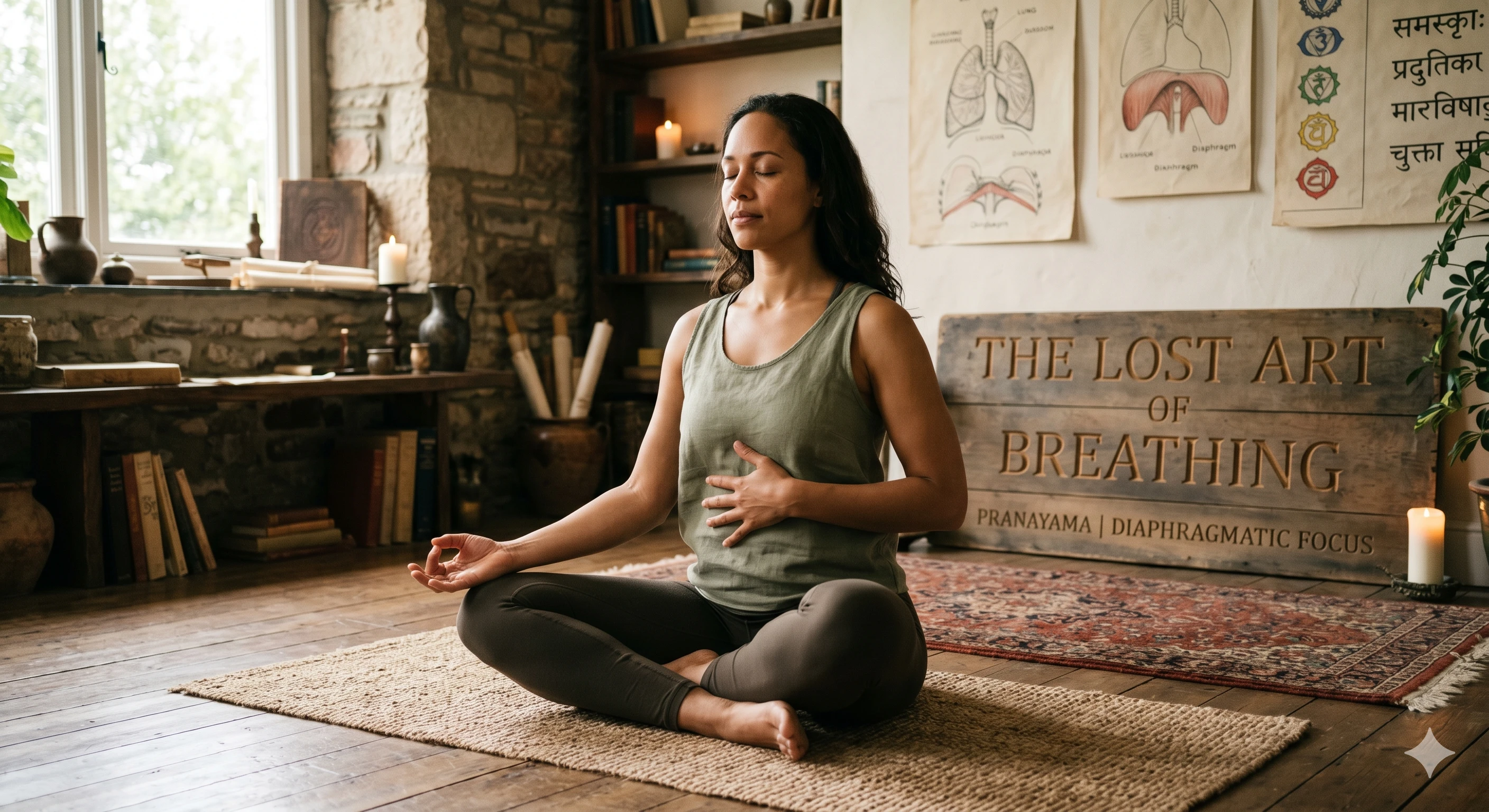
Diaphragmatic breathing is also called as belly breathing. This technique fully engages the diaphragm.
Instead of shallow chest expansion, the abdomen expands during inhalation while the chest stays relatively still.
Research and respiratory health organizations suggest that diaphragmatic breathing may help:
● Improve breathing efficiency
● Promote relaxation
● Reduce stress response
● Improve oxygen exchange
● Support better lung function
● Enhance lung capacity over time
● Reduce unnecessary muscle tension
This technique is widely used in respiratory rehabilitation, yoga practices, stress management programs, and wellness therapies.
Signs You May Be Breathing Incorrectly
Many people do not realize they have poor breathing patterns until symptoms appear.
Common signs include:
1. Frequent Shallow Breathing: If your chest rises more than your abdomen during breathing, you may not be using your diaphragm effectively.
2. Neck and Shoulder Tension: Overusing chest muscles for breathing can create muscle tightness and discomfort.
3. Mouth Breathing: Habitual mouth breathing may dry the airways and reduce breathing efficiency.
4. Feeling Breathless During Mild Activity: Reduced lung efficiency may make simple activities feel more exhausting.
5. Chronic Stress or Anxiety: Rapid breathing patterns can activate the body’s fight-or-flight response.
6. Poor Sleep Quality: Disordered breathing patterns may interfere with deep restorative sleep.
How Breathing Affects Stress and the Nervous System
Breathing and stress are deeply connected. Fast and shallow breathing activates the sympathetic nervous system, which is also know as the fight-or-flight response. It affects your hear rate, causes muscle tension and brings feelings of anxiety.
Deep diaphragmatic breathing activates the parasympathetic nervous system instead, helping the body relax. Experts say that slower breathing can support relaxation, reduces stress responses, and improve heart rate variability.
This is one reason breathing exercises are commonly recommended for stress management and emotional regulation.
The Connection Between Lung Capacity and Breathing Habits
Lung capacity is how much air the lungs can hold and process effectively. Top factors that reduces lung efficiency are aging, inactivity, smoking and environmental pollutants.
However, breathing exercises help maintain and improve respiratory performance.
Health experts note that exercises focused on deep breathing and diaphragmatic control may help improve lung capacity gradually.
Improved lung capacity may support:
● Better endurance
● Easier physical activity
● Improved oxygen delivery
● Reduced breathlessness
● Enhanced athletic performance
How Air Quality Impacts Respiratory Wellness
Air quality also impacts respiratory wellness. Poor air quality can irritate the lungs and increases breathing discomfort.
Common indoor and outdoor air quality concerns include:
● Dust
● Mold
● Smoke
● Chemical fumes
● Vehicle pollution
● Allergens
● Poor ventilation
Improving indoor air quality is an important part of natural remedies for lung health.
Simple ways to improve breathing environments include:
● Using air purifiers
● Opening windows for ventilation
● Reducing indoor smoke exposure
● Keeping living spaces clean
● Adding indoor plants carefully
● Avoiding strong chemical cleaners
● Monitoring local pollution levels
Cleaner air supports healthier respiratory function and may reduce irritation in sensitive individuals.
Natural Breathing Treatments That Support Lung Health
Many natural approaches can complement respiratory wellness routines.
1. Diaphragmatic Breathing: This remains one of the most effective breathing retraining methods for improving breathing efficiency.
2. Pursed-Lip Breathing: This technique slows exhalation and may help reduce shortness of breath.
3. Nasal Breathing: Breathing through the nose filters, humidifies, and warms incoming air.
4. Gentle Cardiovascular Exercise: Walking, swimming, and cycling may improve respiratory endurance over time.
5. Yoga and Breathwork: Mindful breathing practices can strengthen breathing awareness and reduce stress.
6. Maintaining Healthy Indoor Air: Reducing pollutant exposure helps support respiratory comfort.
7. Proper Hydration: Hydration helps keep mucus thin and supports airway function.
How to Practice Diaphragmatic Breathing
One of the best things about diaphragmatic breathing is its simplicity.
Here is a beginner-friendly approach:
● Step 1: Get Comfortable: Lie down or sit upright in a relaxed position.
● Step 2: Place Your Hands: Put one hand on your chest and the other on your stomach.
● Step 3: Inhale Slowly Through the Nose: Allow the stomach to rise gently while keeping the chest relatively still.
● Step 4: Exhale Slowly: Breathe out through pursed lips and let the abdomen relax.
● Step 5: Repeat Slowly: Practice for 5–10 minutes daily.
Respiratory experts recommend focusing on relaxed, controlled breathing rather than forcing deep breaths.
Common Mistakes During Breathing Exercises
Many beginners unintentionally create tension while practicing breathing exercises.
Avoid these common mistakes:
● Raising the shoulders excessively
● Forcing overly large breaths
● Breathing too quickly
● Holding tension in the jaw or neck
● Practicing in uncomfortable positions
Breathing exercises should feel calm and sustainable, not strained.
Community discussions among breathwork practitioners also emphasize relaxed posture and gradual progress when learning diaphragmatic breathing.
Can Better Breathing Improve Everyday Life?
Many people report noticeable improvements after consistently practicing healthy breathing techniques.
Potential benefits may include:
● Increased calmness
● Improved focus
● Better sleep quality
● Reduced tension
● Improved exercise tolerance
● More energy throughout the day
● Better breathing awareness
While breathing exercises are not replacements for medical treatment, they can become valuable supportive wellness practices.
When to Seek Medical Advice
Natural breathing treatments can support general wellness, but persistent breathing difficulties should always be evaluated by a healthcare professional.
Seek medical guidance if you experience:
● Persistent shortness of breath
● Chest pain
● Wheezing
● Chronic cough
● Dizziness during breathing exercises
● Severe respiratory discomfort
People with asthma, COPD, or other respiratory conditions should consult healthcare providers before beginning intensive breathwork practices.
Final Thoughts
Breathing is one of the body’s most powerful yet overlooked wellness tools.
In today’s fast-paced world, many people have lost touch with natural breathing patterns that support calmness, energy, and respiratory efficiency. Relearning healthy breathing habits through diaphragmatic breathing and other natural remedies for lung health can help restore balance to both body and mind.
Improving lung capacity, reducing stress, and supporting respiratory wellness often begins with something surprisingly simple: slowing down and paying attention to the breath.
The lost art of breathing may not be lost after all — it may simply need to be remembered.
FAQs
1. Can breathing exercises help improve posture?
Yes. Proper breathing techniques, especially diaphragmatic breathing, encourage better posture by engaging the core muscles and reducing tension in the neck and shoulders. Poor posture can restrict lung expansion, while healthy posture supports easier and deeper breathing.
2. How long does it take to notice benefits from breathing exercises?
Some people feel calmer after just one session, but noticeable improvements in breathing efficiency, stress levels, and lung comfort usually develop after practicing consistently for several weeks.
3. Is it better to practice breathing exercises indoors or outdoors?
Both can be beneficial. However, practicing outdoors in a clean and less polluted environment may provide fresher air and improve the overall breathing experience. If outdoor air quality is poor, indoor practice with proper ventilation is recommended.
4. Can dehydration affect breathing quality?
Yes. Dehydration can thicken mucus in the airways, making breathing feel less comfortable. Staying properly hydrated supports smoother respiratory function and helps maintain airway moisture.
5. Are breathing exercises safe for children and older adults?
Gentle breathing exercises are generally safe for most age groups when practiced correctly. Simple techniques like slow nasal breathing and diaphragmatic breathing may help improve relaxation and breathing awareness in both children and seniors.