Essential Aromatherapy Oils: Benefits & Uses
Authored by Terrence Shenfield, MS, RRT-ACCS, RPFT, NPS, AE-C Table of Contents What Are Essential Aromatherapy Oils? P...
Read ArticleThe power of scent has fascinated humans for thousands of years. From ancient Egyptian temples to modern wellness centers, aromatic plants have played a crucial role in healing and relaxation. Today, aromatherapy offers a natural approach to health that combines science with centuries-old wisdom.
Aromatherapy is a holistic healing treatment that uses natural plant extracts to promote health and well-being. This practice harnesses the therapeutic properties of aromatic compounds found in plants, delivering them through inhalation or topical application. The term was coined in the 1930s by French chemist René-Maurice Gattefossé, who discovered lavender's healing properties after treating a burn with the essential oil.
The practice works by stimulating smell receptors in the nose, which send messages through the nervous system to the limbic system—the part of the brain that controls emotions. This connection explains why certain scents can instantly trigger memories or shift your mood.
When exploring what are essential oils, think of them as concentrated plant extracts that capture the essence of their source. These volatile compounds are extracted through various methods, including steam distillation, cold pressing, and CO2 extraction. Each method preserves different therapeutic compounds, creating oils with unique healing properties.
A single drop of essential oil contains the concentrated essence of dozens of plants. For example, it takes about 220 pounds of lavender flowers to produce just one pound of lavender essential oil. This concentration makes essential oils incredibly potent and effective for therapeutic use.
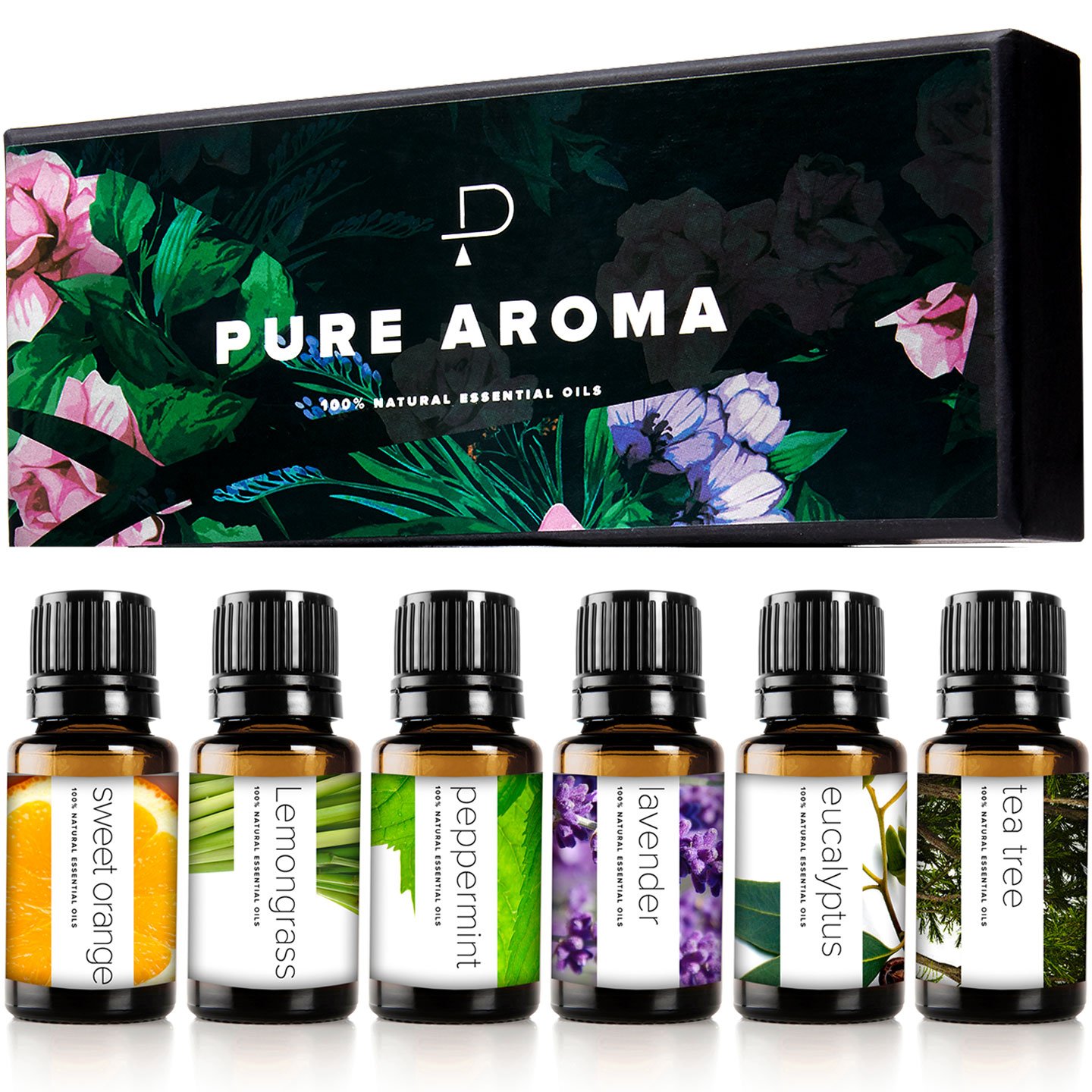
Quality matters significantly when choosing essential oils. Look for oils that are 100% pure, therapeutic grade, and properly stored in dark glass bottles. The label should include the plant's botanical name, country of origin, and extraction method.
The applications for aromatherapy span numerous health concerns and wellness goals. Research shows that aromatherapy can effectively address both physical and emotional challenges.
Stress and Anxiety Relief
Lavender, bergamot, and chamomile oils have proven particularly effective for reducing stress hormones. A 2017 study found that inhaling lavender essential oil for 15 minutes significantly reduced cortisol levels in participants.
Sleep Enhancement
Many people struggle with sleep quality, and aromatherapy offers a natural solution. Lavender, cedarwood, and valerian oils promote relaxation and can improve sleep duration and quality. Diffusing these oils 30 minutes before bedtime creates an optimal sleep environment.
Pain Management
Essential oils like peppermint, eucalyptus, and wintergreen contain natural analgesic properties. When diluted and applied topically, they can help reduce muscle tension, headaches, and joint discomfort.
Respiratory Support
Eucalyptus, tea tree, and peppermint oils can help clear congestion and support respiratory function. These oils work as natural decongestants and can provide relief during seasonal allergies or cold symptoms.
Cognitive Enhancement
Rosemary, peppermint, and lemon oils may improve focus and mental clarity. Studies suggest that these oils can enhance memory performance and increase alertness during mentally demanding tasks.
Pet owners often wonder: is aromatherapy good for animals? The answer requires careful consideration, as animals respond differently to essential oils than humans do.
Many veterinarians now incorporate aromatherapy into holistic treatment plans. Dogs and horses, in particular, can benefit from certain essential oils when used properly. Lavender can help anxious pets, while diluted chamomile may soothe skin irritations.
However, cats require special caution. Their liver metabolism differs significantly from other animals, making some oils potentially toxic. Never use essential oils on cats without veterinary guidance.
For dogs, safe options include properly diluted lavender, chamomile, and frankincense. Always introduce oils gradually and watch for any adverse reactions. The key is using extremely diluted concentrations—typically 10 times more diluted than for human use.
Essential oils are powerful therapeutic tools that require respect and proper handling. Never apply undiluted oils directly to skin, as this can cause irritation or sensitization. Most oils should be diluted in a carrier oil like coconut, jojoba, or sweet almond oil.
Pregnant women, nursing mothers, and individuals with certain medical conditions should consult healthcare providers before using aromatherapy. Some oils can interact with medications or trigger allergic reactions.
Aromatherapy provides a natural and accessible path to enhanced well-being. Whether you're seeking stress relief, better sleep, or natural pain management, essential oils can complement your existing wellness routine.
Start your aromatherapy journey today by choosing one or two high-quality essential oils that address your specific needs. Begin with gentle options like lavender or chamomile, and gradually explore other oils as you become more comfortable with the practice. Your body and mind will thank you for this natural approach to health and healing.
As an Amazon Associate, Atecam Health earns from qualifying purchases. Prices & availability subject to change.
Welcome to our comprehensive aromatherapy/essential oils resource center. Here you'll find evidence-based articles, expert insights, and practical guidance written by healthcare professionals and wellness specialists.
Our aromatherapy/essential oils articles cover natural approaches, evidence-based supplements, lifestyle modifications, and holistic strategies — authored by qualified health professionals and reviewed for accuracy.
Authored by Terrence Shenfield, MS, RRT-ACCS, RPFT, NPS, AE-C Table of Contents What Are Essential Aromatherapy Oils? P...
Read ArticleAuthored by Terrence Shenfield MS, RRT-ACCS, RPFT, NPS, AE-C Key Functional Groups in Essential Oils and Their Propert...
Read ArticleAuthored by Terrence Shenfield MS, RRT-ACCS, RPFT, NPS, AE-C Essential oils have captivated wellness enthusiasts worldw...
Read ArticleAuthored by Terrence Shenfield MS, RRT-ACCS, RPFT, NPS, AE-C Essential oils have soared in popularity, but their use d...
Read ArticleAuthored by Terrence Shenfield MS, RRT-ACCS, RPFT, NPS, AE-C Aromatherapy and essential oil therapy have steadily gaine...
Read ArticleAll articles are written by qualified healthcare professionals and reviewed for accuracy with citations to peer-reviewed research where available.
Supplements can interact with medications. Always consult your healthcare provider or pharmacist before starting any new supplement, especially if you take prescription medications.
Articles are reviewed at minimum every 12–18 months, with high-priority topics updated more frequently when significant new research emerges.
Absolutely. Contact our editorial team with your suggestion — we prioritize topics based on reader interest and available scientific evidence.
Our content is educational and should complement — not replace — professional medical advice. Always consult qualified healthcare providers for important health decisions.
Discover our complete library of 25 health and wellness categories — evidence-based resources to support every aspect of your health journey.
View All Categories