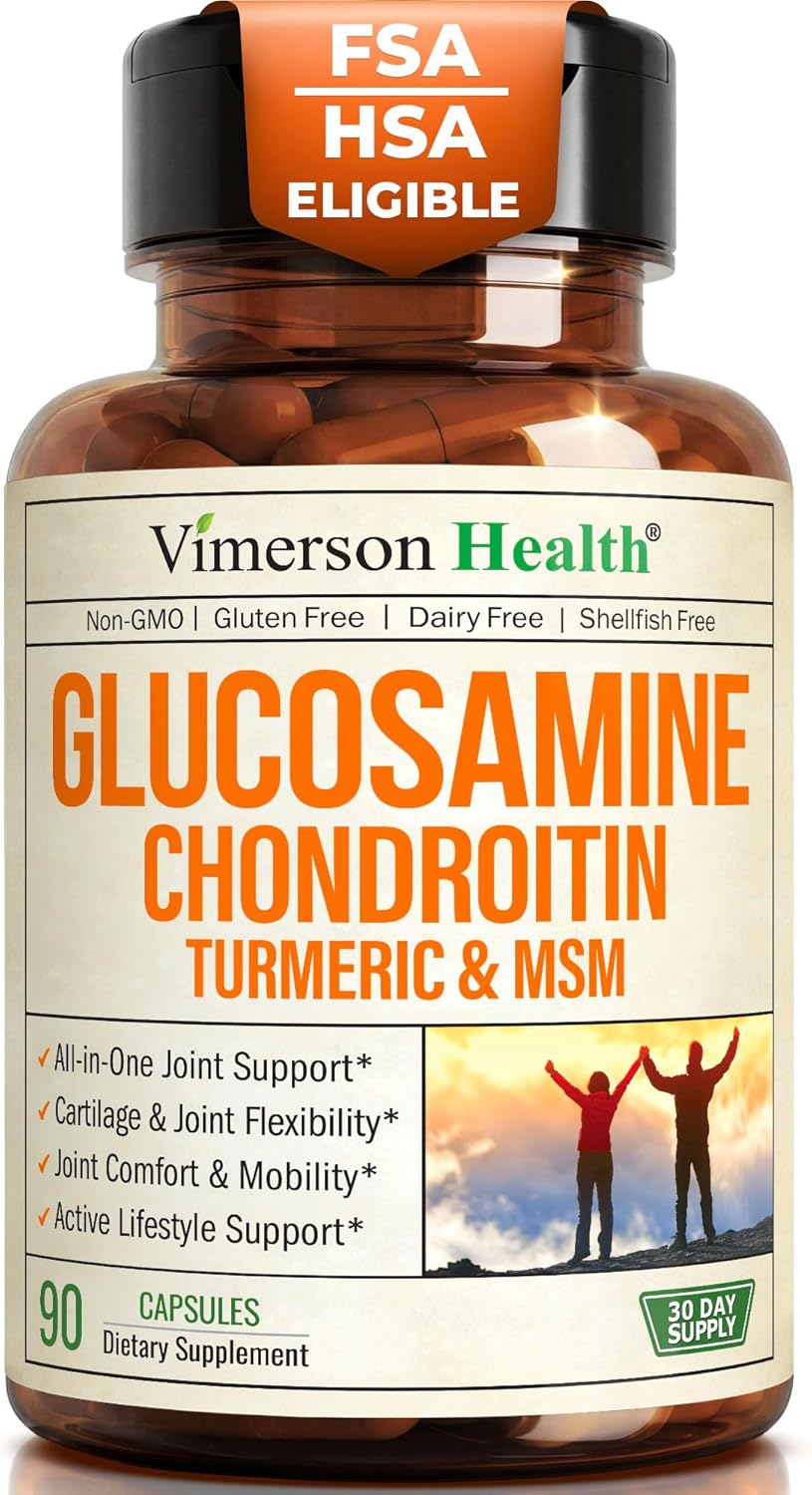
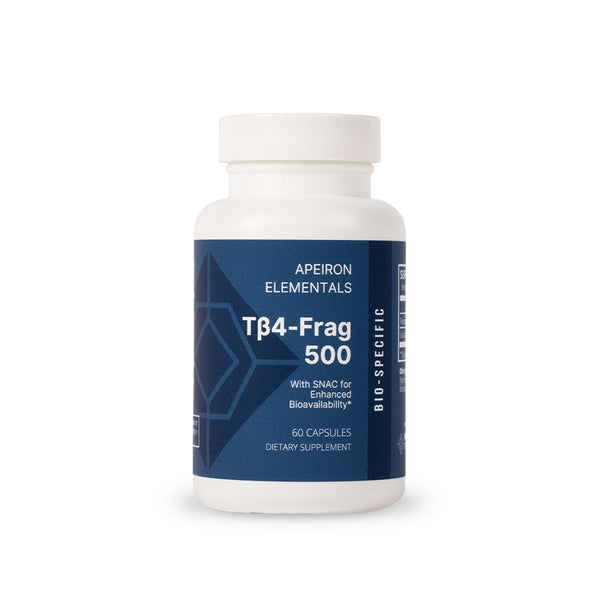
Glucosamine Chondroitin MSM & Turmeric for Joint Support
Authored by Terrence Shenfield, MS, RRT-ACCS, RPFT, NPS, AE-C Joint health is critical to maintaining an active and ful...
Read ArticleYour bones and joints work tirelessly every day, supporting your body through countless movements and activities. Yet many people take this complex system for granted until problems arise. Understanding bone and joint health isn't just about preventing future issues—it's about maintaining the mobility and strength that keep you active throughout your life.
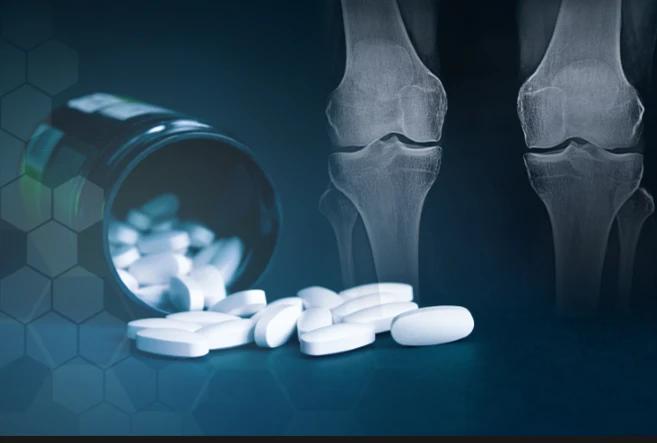
Bone and joint disorders affect millions of people worldwide, ranging from minor aches to debilitating conditions that significantly impact quality of life. These disorders can develop gradually over time or result from sudden injuries, infections, or genetic predispositions.
The skeletal system consists of 206 bones connected by various types of joints, each designed for specific movements. When this intricate network faces problems, the effects ripple through your entire body. Early recognition and proper management of bone and joint health issues can make the difference between maintaining an active lifestyle and facing long-term limitations.
Several common joint problems plague people of all ages, though certain conditions become more prevalent with aging.
Osteoarthritis stands as the most widespread joint disorder, affecting over 32 million adults in the United States alone. This "wear and tear" arthritis occurs when cartilage between joints breaks down, causing bones to rub against each other. The resulting pain, stiffness, and swelling typically worsen over time.
Rheumatoid arthritis presents a different challenge as an autoimmune condition where the body's immune system attacks joint tissues. Unlike osteoarthritis, this inflammatory disease can affect multiple joints simultaneously and often strikes people in their prime working years.
Bursitis develops when small fluid-filled sacs that cushion joints become inflamed. This condition frequently affects shoulders, elbows, and hips, causing sharp pain that intensifies with movement.
Tennis elbow and golfer's elbow represent overuse injuries affecting tendons around the elbow joint. Despite their names, these conditions commonly occur in people who've never picked up a racket or club.
While aging and genetics play significant roles in bone health, understanding the full spectrum of causes of bone disorders helps you take proactive steps toward prevention.
Lifestyle factors contribute significantly to bone deterioration. Sedentary behavior weakens bones because they need regular stress from weight-bearing activities to maintain density. Smoking accelerates bone loss by interfering with calcium absorption and reducing blood flow to bone tissue.
Nutritional deficiencies create the foundation for bone problems. Insufficient calcium, vitamin D, magnesium, and vitamin K intake prevents bones from maintaining their strength and density. Many people unknowingly consume diets lacking these essential nutrients.
Hormonal changes dramatically affect bone health, particularly in women after menopause when estrogen levels drop. This hormonal shift accelerates bone loss, making post-menopausal women especially vulnerable to osteoporosis.
Medical conditions and medications can also compromise bone integrity. Conditions like hyperthyroidism, inflammatory bowel disease, and kidney disease interfere with bone metabolism. Certain medications, including corticosteroids and some cancer treatments, can weaken bones as side effects.
Bone and joint health supplements have gained popularity as people seek proactive ways to support their skeletal system. While supplements can't replace a healthy lifestyle, they can help fill nutritional gaps and provide targeted support.
Calcium and Vitamin D form the cornerstone of bone health supplementation. Calcium provides the building blocks for bone tissue, while vitamin D enhances calcium absorption in the intestines. However, taking these nutrients in isolation may not be optimal.
Glucosamine and Chondroitin supplements target joint health specifically. These compounds occur naturally in cartilage and may help maintain joint structure and reduce inflammation. Research shows mixed results, but many people report improved joint comfort with consistent use.
Collagen supplements have emerged as popular options for supporting both bone and joint health. Collagen provides the protein framework for bone tissue and helps maintain cartilage elasticity.
Omega-3 fatty acids offer anti-inflammatory benefits that may help reduce joint pain and stiffness associated with various conditions.
Protecting your bone and joint health requires a comprehensive approach that goes beyond supplementation. Regular weight-bearing exercise stimulates bone formation and strengthens the muscles that support your joints. Activities like walking, dancing, resistance training, and yoga all contribute to skeletal health.
Nutrition plays an equally important role. Focus on consuming calcium-rich foods like dairy products, leafy greens, and fortified foods. Don't forget about protein, which provides essential amino acids for bone and cartilage maintenance.
Regular health screenings help catch problems early when they're most treatable. Bone density tests can detect osteoporosis before fractures occur, while joint assessments can identify arthritis in its early stages.
Your bones and joints deserve the same attention you give to other aspects of your health. By understanding common problems, addressing risk factors, and implementing preventive strategies, you can maintain strong, healthy bones and flexible joints throughout your life. Remember that small, consistent actions today create the foundation for mobility and independence tomorrow.
As an Amazon Associate, Atecam Health earns from qualifying purchases. Prices & availability subject to change.
Welcome to our comprehensive bone/joint disorders resource center. Here you'll find evidence-based articles, expert insights, and practical guidance written by healthcare professionals and wellness specialists.
Our bone/joint disorders articles cover natural approaches, evidence-based supplements, lifestyle modifications, and holistic strategies — authored by qualified health professionals and reviewed for accuracy.
Authored by Terrence Shenfield, MS, RRT-ACCS, RPFT, NPS, AE-C Joint health is critical to maintaining an active and ful...
Read ArticleWhen it comes to facilitating healing, the body has a remarkable ability to recover on its own. But what if there was a...
Read ArticleAll articles are written by qualified healthcare professionals and reviewed for accuracy with citations to peer-reviewed research where available.
Supplements can interact with medications. Always consult your healthcare provider or pharmacist before starting any new supplement, especially if you take prescription medications.
Articles are reviewed at minimum every 12–18 months, with high-priority topics updated more frequently when significant new research emerges.
Absolutely. Contact our editorial team with your suggestion — we prioritize topics based on reader interest and available scientific evidence.
Our content is educational and should complement — not replace — professional medical advice. Always consult qualified healthcare providers for important health decisions.
Discover our complete library of 25 health and wellness categories — evidence-based resources to support every aspect of your health journey.
View All Categories