Endocrine Wellness: How to Support Your Hormones Naturally
Authored by Terrence Shenfield MS, RRT-ACCS, RPFT, NPS, AE-C The endocrine system, a vital network of glands and hormone...
Read ArticleYour endocrine system works behind the scenes every day, producing hormones that control everything from your energy levels to your mood. When this complex network of glands falls out of balance, you might feel tired, stressed, or just "off." The good news? You have more control over your hormonal health than you might think.
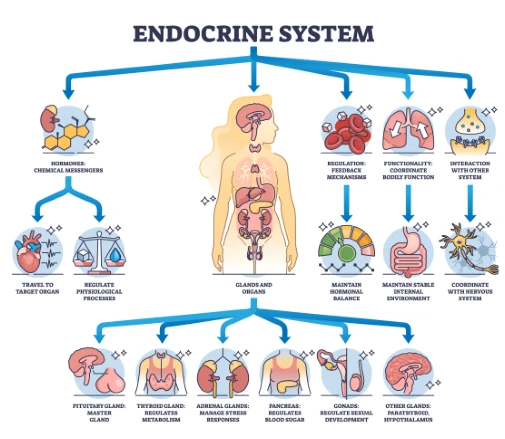
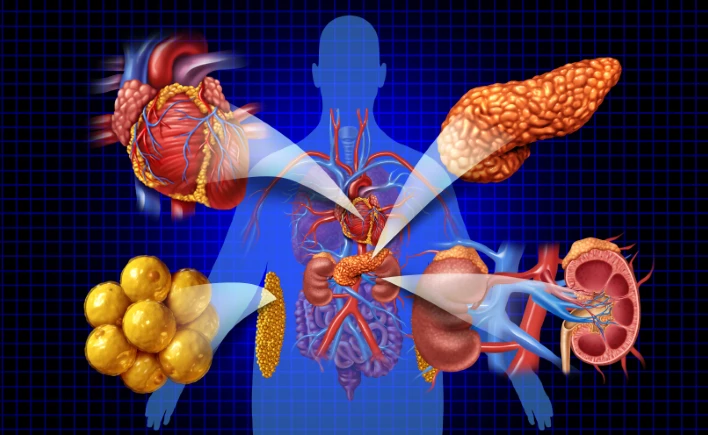
The endocrine system includes your thyroid, adrenal glands, pancreas, and reproductive organs. These glands release hormones that act as chemical messengers, telling your body how to function. When they work well together, you feel energized and balanced. When they don't, problems arise.
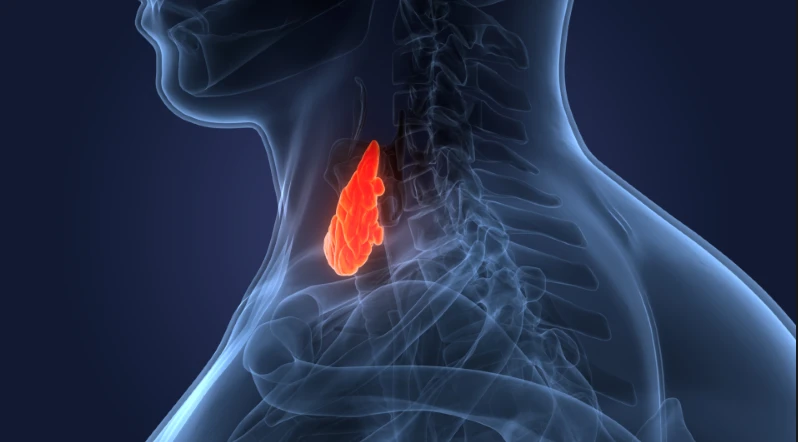
Your thyroid controls your metabolism, body temperature, and energy production. Hypothyroidism (underactive thyroid) affects about 5% of Americans, causing fatigue, weight gain, and depression. Hyperthyroidism (overactive thyroid) does the opposite, speeding up your metabolism and causing anxiety, rapid heartbeat, and weight loss.
This condition affects how your pancreas produces insulin, the hormone that regulates blood sugar. Over 37 million Americans have diabetes, with 90-95% having type 2. Poor diet, lack of exercise, and chronic stress contribute to insulin resistance, making it harder for your body to manage glucose levels.
While not officially recognized by conventional medicine, many people experience symptoms consistent with adrenal dysfunction. Chronic stress can overwhelm your adrenal glands, which produce cortisol and other stress hormones. This may lead to persistent fatigue, difficulty handling stress, and sleep problems.
Quality sleep is your foundation for hormonal balance. Aim for 7-9 hours nightly and keep a consistent sleep schedule. Your body produces growth hormone and repairs tissues during deep sleep, while poor sleep disrupts cortisol and insulin production.
Create a sleep-friendly environment by keeping your bedroom cool and dark. Avoid screens for at least an hour before bed, as blue light interferes with melatonin production.
Chronic stress wreaks havoc on your endocrine system. High cortisol levels can suppress thyroid function and disrupt insulin sensitivity. Practice stress-reduction techniques like deep breathing, meditation, or gentle yoga.
Even five minutes of daily meditation can lower cortisol levels and improve your stress response. Find what works for you – whether it's journaling, walking in nature, or listening to calming music.
Include high-quality protein at each meal to support hormone production. Fish, eggs, lean meats, and legumes provide amino acids your glands need. Healthy fats from avocados, nuts, seeds, and olive oil help your body make steroid hormones like cortisol and sex hormones.
Refined sugars and processed foods cause blood sugar spikes that stress your pancreas and adrenal glands. Instead, choose complex carbs like quinoa, sweet potatoes, and vegetables that provide steady energy without dramatic insulin responses.
Cruciferous vegetables like broccoli and Brussels sprouts contain compounds that help your liver process hormones. Fermented foods support gut health, which plays a crucial role in hormone metabolism. Brazil nuts provide selenium, essential for thyroid hormone conversion.
Your thyroid needs iodine to produce hormones and selenium to convert them into active forms. Sea vegetables, iodized salt, and fish provide iodine, while Brazil nuts, sunflower seeds, and tuna offer selenium.
Some foods can interfere with thyroid function when eaten in large amounts. Raw cruciferous vegetables, soy products, and foods containing goitrogens may slow thyroid hormone production. Cooking these foods reduces their impact.
This adaptogenic herb may help support healthy thyroid function and reduce stress-related hormone imbalances. Studies suggest it might help normalize thyroid hormone levels in people with mild thyroid dysfunction.
Regular exercise improves how your cells respond to insulin. Even a 10-minute walk after meals can help stabilize blood sugar. Strength training builds muscle mass, which acts like a glucose reservoir.
Chronic high cortisol disrupts other hormones. Support healthy cortisol rhythms by exposing yourself to bright light in the morning and dimming lights in the evening. Phosphatidylserine, magnesium, and omega-3 fatty acids may help regulate cortisol production.
Excess body fat, especially around the midsection, produces hormones that can disrupt your endocrine system. Fat cells produce estrogen and inflammatory compounds that affect insulin sensitivity and thyroid function.
Supporting your endocrine system naturally takes time and consistency. Start with one or two changes and build from there. Focus on quality sleep, stress management, and nourishing foods as your foundation.
While these natural approaches can be powerful, work with a healthcare provider if you suspect hormonal imbalances. They can run appropriate tests and help you create a comprehensive plan that combines natural support with medical care when needed.
Remember, small daily choices add up to significant changes in how you feel and function. Your endocrine system responds to the care you give it – and you deserve to feel your best.
Welcome to our comprehensive endocrine system resource center. Here you'll find evidence-based articles, expert insights, and practical guidance written by healthcare professionals and wellness specialists.
Our endocrine system articles cover natural approaches, evidence-based supplements, lifestyle modifications, and holistic strategies — authored by qualified health professionals and reviewed for accuracy.
Authored by Terrence Shenfield MS, RRT-ACCS, RPFT, NPS, AE-C The endocrine system, a vital network of glands and hormone...
Read ArticleAuthored by Terrence Shenfield MS, RRT-ACCS, RPFT, NPS, AE-C The human body is an amazing network of systems, all worki...
Read ArticleAdaptogens and Hormonal Harmony: How Natural Remedies Restore Balance Hormonal imbalances can disrupt your life. They af...
Read ArticleAll articles are written by qualified healthcare professionals and reviewed for accuracy with citations to peer-reviewed research where available.
Supplements can interact with medications. Always consult your healthcare provider or pharmacist before starting any new supplement, especially if you take prescription medications.
Articles are reviewed at minimum every 12–18 months, with high-priority topics updated more frequently when significant new research emerges.
Absolutely. Contact our editorial team with your suggestion — we prioritize topics based on reader interest and available scientific evidence.
Our content is educational and should complement — not replace — professional medical advice. Always consult qualified healthcare providers for important health decisions.
Discover our complete library of 25 health and wellness categories — evidence-based resources to support every aspect of your health journey.
View All Categories