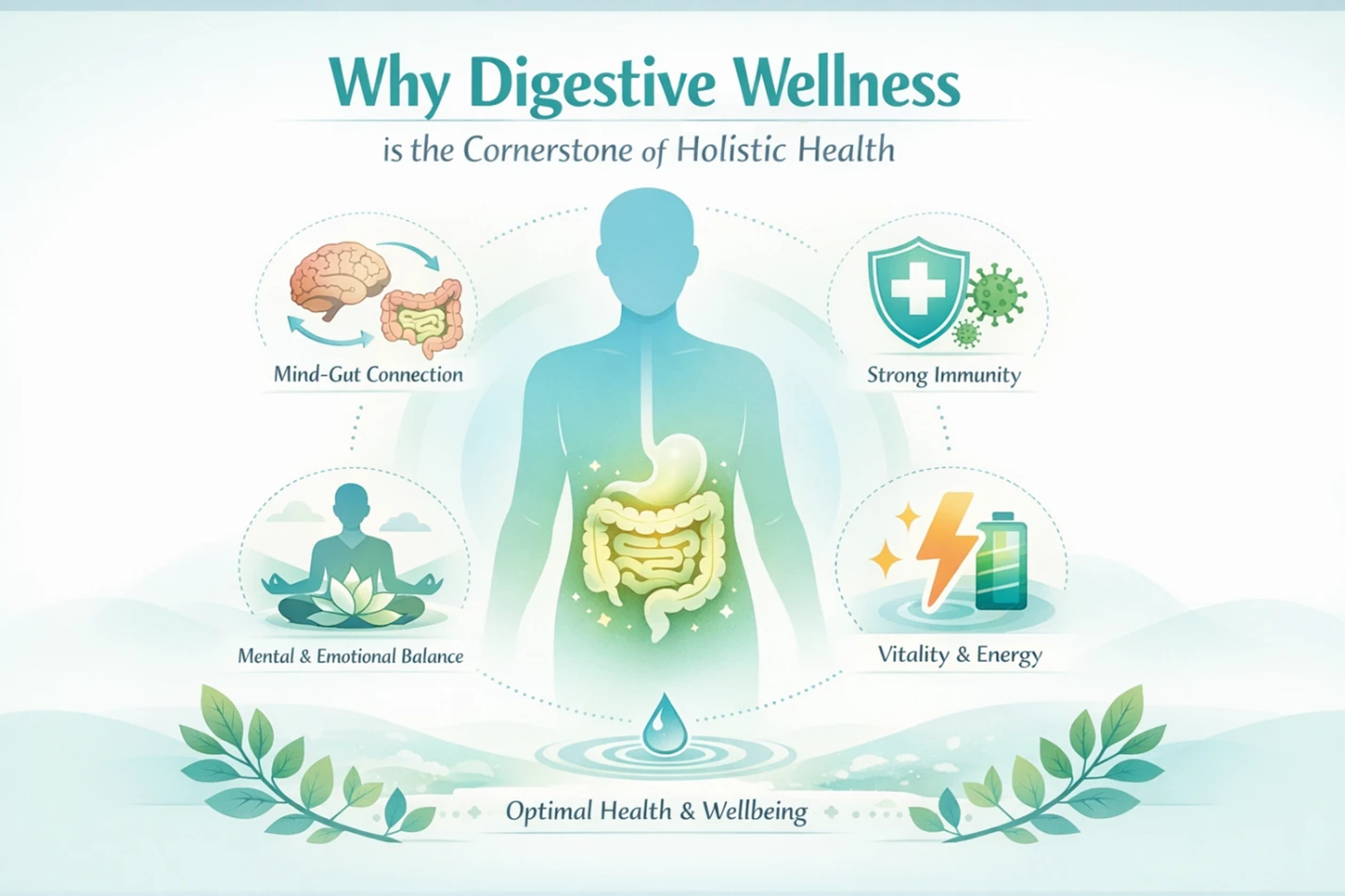
Why Digestive Wellness is the Cornerstone of Holistic Health
Holistic health is the major focus of individuals in modern times. People are getting more and more health-conscious and...
Read ArticleYour gut does more than digest food. This complex ecosystem houses trillions of bacteria that influence everything from your mood to your immune system. When your gut thrives, you feel energetic and clear-headed. When it struggles, you notice it everywhere.
Understanding how to nurture your gut health can transform how you feel daily. Let's explore the signs your digestive system needs attention and discover practical ways to restore balance.
Symptoms of poor gut health often appear gradually, making them easy to dismiss as normal stress or aging. Your body sends clear signals when your digestive system isn't functioning optimally.
Digestive issues like bloating, gas, heartburn, or irregular bowel movements are obvious red flags. But gut health problems extend far beyond stomach troubles. You might experience frequent infections, persistent fatigue, or unexplained skin problems like acne or eczema.
Sleep disturbances and mood swings also connect to gut health. Research shows that 90% of your body's serotonin - the "happy hormone" - is produced in your gut. When your digestive system is out of balance, your emotional well-being suffers too.
Food cravings, especially for sugar or processed foods, can signal an imbalanced gut microbiome. Harmful bacteria thrive on sugar, creating a cycle where you crave the very foods that worsen your gut health.
Your daily habits shape your gut microbiome more than any single intervention. Start with whole foods that nourish beneficial bacteria while starving harmful ones.
Fiber-rich vegetables, fruits, and whole grains feed good bacteria. Aim for 25-35 grams of fiber daily from diverse sources. Leafy greens, berries, beans, and oats provide different types of fiber that support various bacterial strains.
Fermented foods introduce beneficial bacteria naturally. Yogurt, kefir, sauerkraut, kimchi, and miso contain live cultures that colonize your gut. Include at least one serving daily to maintain microbial diversity.
Reduce processed foods, artificial sweeteners, and excessive sugar. These disrupt your gut lining and promote inflammatory bacteria growth. Even small changes, like swapping soda for herbal tea or choosing whole grain bread, make a difference.
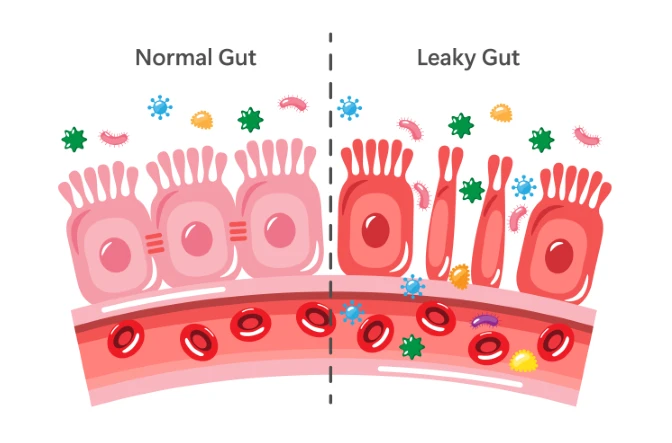
Stress management plays a crucial role. Chronic stress alters gut bacteria composition and increases intestinal permeability. Practice deep breathing, meditation, or gentle exercise to activate your body's relaxation response.
Quality sleep supports gut repair. During deep sleep, your intestinal lining regenerates and beneficial bacteria flourish. Aim for 7-9 hours nightly and maintain consistent sleep schedules.
While food remains your primary source of gut-supporting nutrients, targeted supplements for gut health can accelerate healing and fill nutritional gaps.
Best probiotics for gut health vary based on individual needs, but certain strains consistently show benefits. Look for supplements containing multiple species, including Lactobacillus acidophilus, Bifidobacterium longum, and Lactobacillus plantarum.
Choose probiotics with at least 10 billion CFUs (colony-forming units) and ensure they're shelf-stable or properly refrigerated. Take them consistently for 2-3 months to establish lasting changes in your microbiome.
Prebiotic supplements feed beneficial bacteria already in your gut. Inulin, fructooligosaccharides (FOS), and galactooligosaccharides (GOS) are effective options. Start with small doses to avoid digestive discomfort.
Digestive enzymes help break down food more efficiently, reducing bloating and improving nutrient absorption. They're particularly helpful if you experience discomfort after meals or have eliminated certain foods due to sensitivity.
L-glutamine supports intestinal lining repair, especially if you have leaky gut syndrome. This amino acid provides fuel for intestinal cells and may reduce inflammation.
Consider omega-3 fatty acids to reduce gut inflammation. Fish oil or algae-based supplements provide EPA and DHA, which support a healthy gut barrier.
Start with one or two changes rather than overhauling everything at once. Your gut needs time to adapt, and gradual changes are more sustainable.
Begin by adding one serving of fermented food daily and increasing your vegetable intake. Notice how you feel after meals and track any changes in energy, mood, or digestive comfort.
If you choose supplements, introduce them individually to identify what works best for your body. Start with a high-quality probiotic and add other supplements based on your specific symptoms.
Stay hydrated throughout the day, as water supports digestion and helps maintain your gut lining. Aim for half your body weight in ounces of water daily.
Be patient with the process. Gut healing takes time, typically 3-6 months for significant improvements. Some people notice changes within weeks, while others need longer to restore balance.
Remember that gut health is highly individual. What works for others may not work for you, and that's normal. Pay attention to your body's responses and adjust your approach accordingly.
Your gut health journey is an investment in your overall well-being. By implementing these strategies consistently, you're building a foundation for better digestion, stronger immunity, and improved quality of life.
As an Amazon Associate, Atecam Health earns from qualifying purchases. Prices & availability subject to change.
Welcome to our comprehensive gut health resource center. Here you'll find evidence-based articles, expert insights, and practical guidance written by healthcare professionals and wellness specialists.
Our gut health articles cover natural approaches, evidence-based supplements, lifestyle modifications, and holistic strategies — authored by qualified health professionals and reviewed for accuracy.
Holistic health is the major focus of individuals in modern times. People are getting more and more health-conscious and...
Read ArticleAuthored by Terrence Shenfield MS, RRT-ACCS, RPFT, NPS, AE-C Maintaining a healthy gut is essential to your overall we...
Read ArticleBy Terrence Shenfield MS, RRT-ACCS, RPFT, NPS, AE-C Gut health is a hot topic in today’s wellness landscape, and...
Read ArticleAll articles are written by qualified healthcare professionals and reviewed for accuracy with citations to peer-reviewed research where available.
Supplements can interact with medications. Always consult your healthcare provider or pharmacist before starting any new supplement, especially if you take prescription medications.
Articles are reviewed at minimum every 12–18 months, with high-priority topics updated more frequently when significant new research emerges.
Absolutely. Contact our editorial team with your suggestion — we prioritize topics based on reader interest and available scientific evidence.
Our content is educational and should complement — not replace — professional medical advice. Always consult qualified healthcare providers for important health decisions.
Discover our complete library of 25 health and wellness categories — evidence-based resources to support every aspect of your health journey.
View All Categories