Optimizing Performance with WHOOP 5.0
Wearable health technology has moved far beyond simple activity tracking. What used to be limited to athletes with access to coaches, testing labs, and specialized equipment is now available in a wrist-worn device. WHOOP 5.0 reflects that shift by focusing less on vanity metrics and more on the signals that shape training, recovery, and long-term performance.
Rather than emphasizing steps alone, WHOOP is built to help users understand how daily habits and workouts affect the body. Its value comes from continuous monitoring and from turning those inputs into practical guidance around exertion, rest, and readiness.
How Wearables Have Evolved
Early fitness trackers were useful for counting movement, but they often offered only a partial picture of health. They could tell you how active you were, but not always how well you were recovering or how different types of training affected your body.
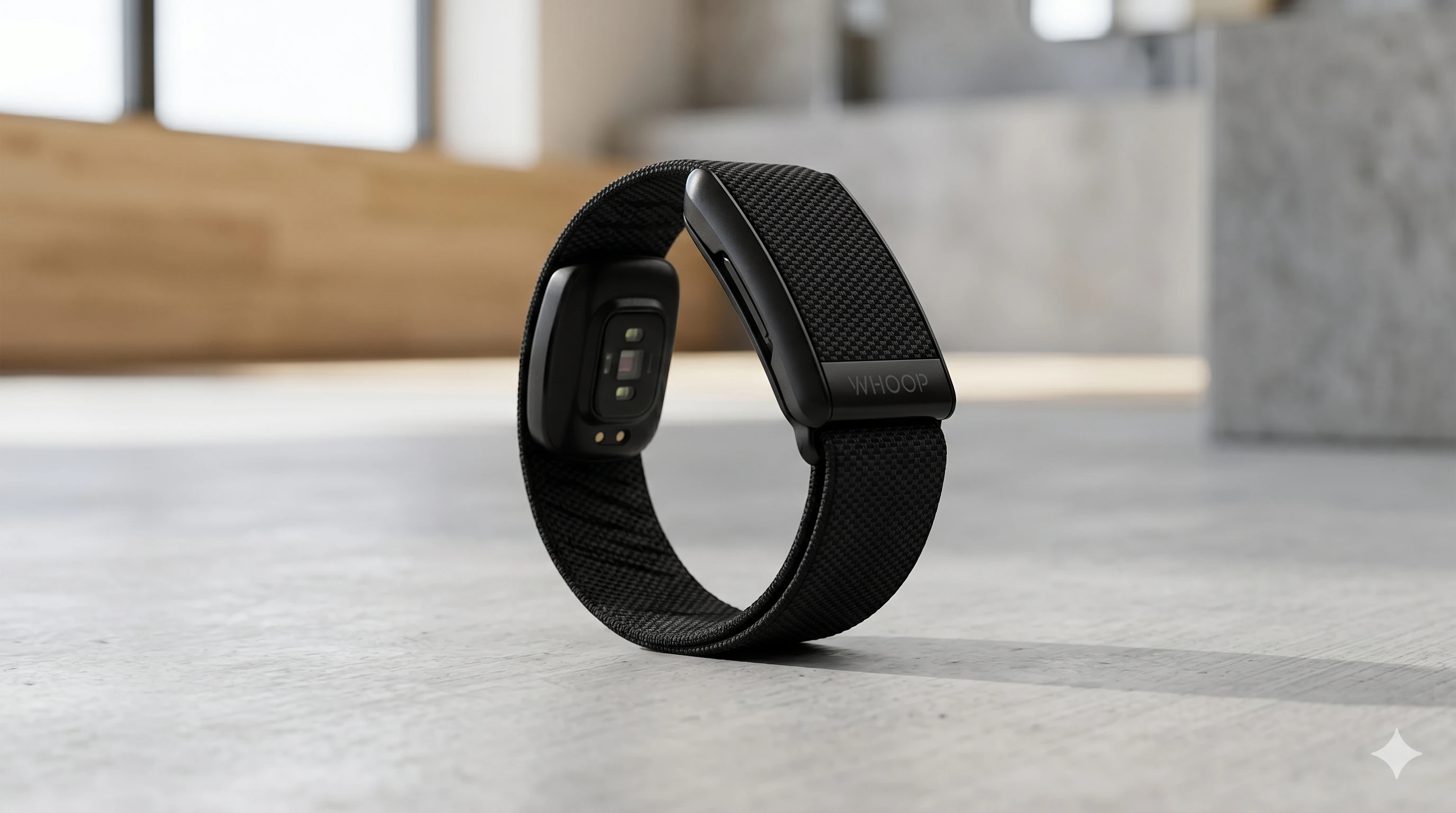
WHOOP 5.0 takes a more complete approach. It continuously tracks metrics such as heart rate variability, resting heart rate, sleep-related signals, and other physiological indicators to help users understand how their bodies respond over time. That ongoing data collection creates a more personalized view of performance than a simple daily activity total.
It also differs from a traditional smartwatch. Instead of trying to serve as a notification hub, communication device, and fitness tracker all at once, WHOOP is centered on health and performance monitoring. Its purpose is to stay on and gather data consistently throughout training, work, sleep, and recovery.
Why Muscular Load Matters
One of the more meaningful developments in the WHOOP ecosystem is its emphasis on muscular load. Many wearables estimate effort primarily through heart rate, which works reasonably well for cardio-based exercise but can miss the demands of strength training.
A lifting session, for example, may not create the same heart-rate response as a run or cycling workout, yet it can still place substantial stress on muscles, joints, and connective tissue. WHOOP addresses that gap by estimating or tracking muscular load through workout type and, with more detailed logging, through factors like sets, reps, weights, movement volume, and intensity.
That matters because better visibility into training stress can help users make more informed decisions. If a workout places a high mechanical demand on the body, recovery planning should reflect that. This creates a more balanced approach to progression, especially for people trying to improve performance without pushing into unnecessary fatigue.
Strength Training With More Useful Feedback
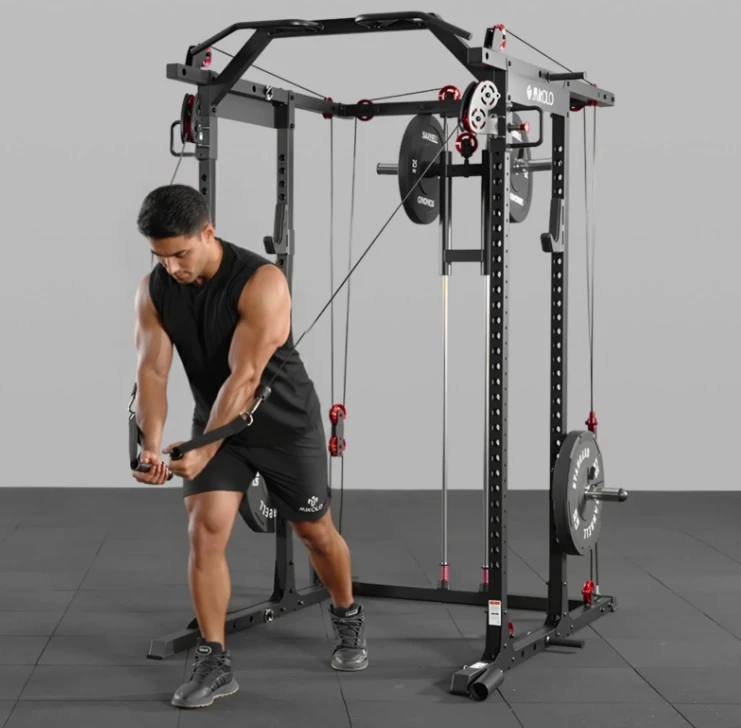
WHOOP’s Strength Trainer is designed to give users a more detailed picture of their resistance training. By logging exercises and workout structure, users can move beyond rough estimates and get a more individualized view of how demanding a session was.
For serious lifters, that added detail can be especially useful. Over time, workout history can reveal patterns: which sessions produce the most strain, which formats are easier to recover from, and when volume or intensity may be getting too aggressive. Instead of relying only on instinct, users can use these trends to make better programming decisions.
This kind of feedback does not replace coaching or good judgment, but it does make training data more actionable. For anyone pursuing consistency and progression, that is a meaningful advantage.
Recovery as a Performance Tool
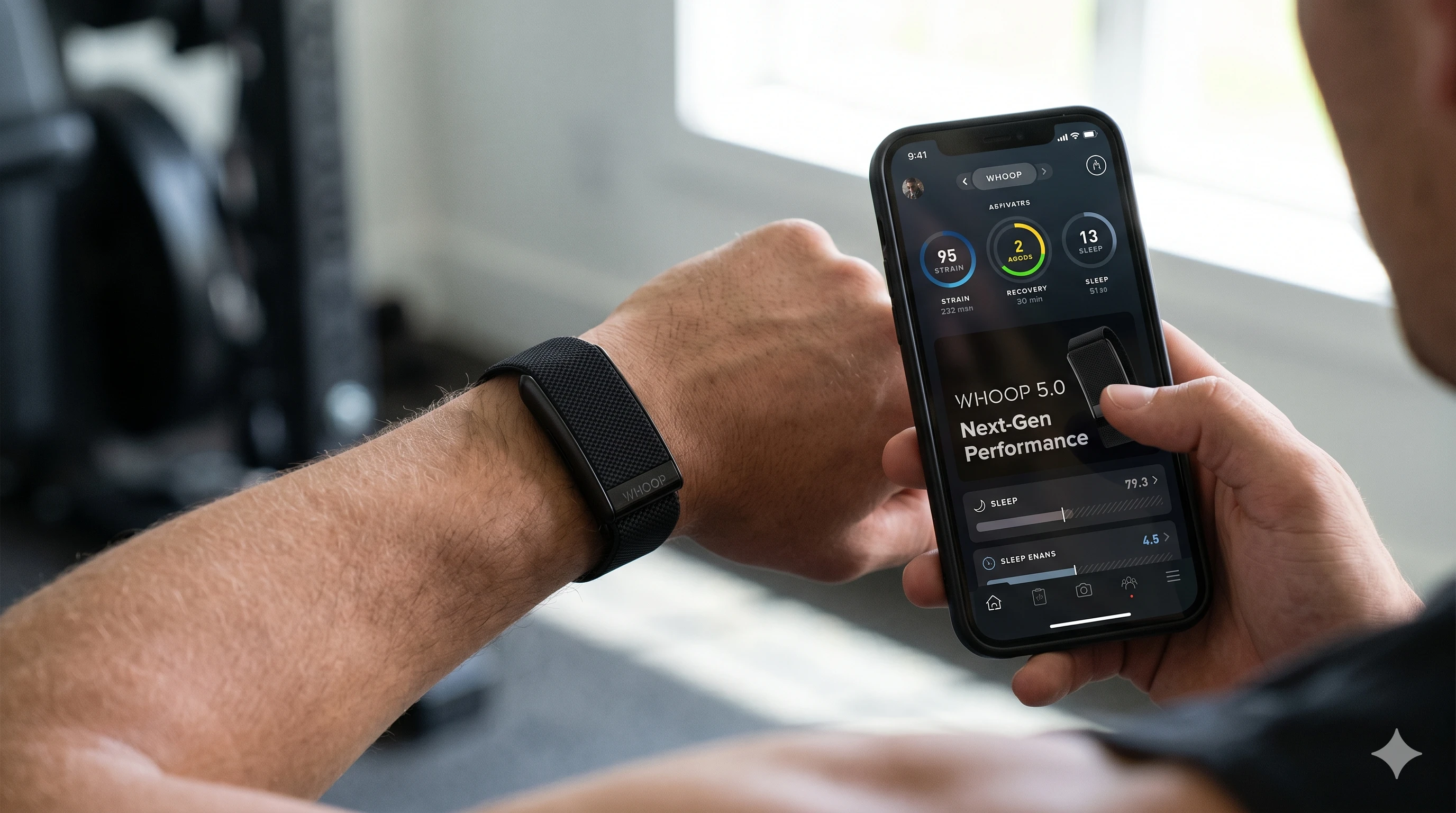
One of WHOOP’s strongest differentiators is how it frames recovery as part of performance, not an afterthought. Its recovery-related insights use metrics like heart rate variability, resting heart rate, and sleep to estimate how prepared the body is for strain on a given day.
That daily readiness view can help users decide when to push, when to maintain, and when to scale back. On high-readiness days, it may make sense to pursue a demanding session. On lower-readiness days, the smarter choice may be lighter activity, mobility work, or additional rest.
This matters because progress is not built only through hard training. It also depends on adaptation. When people ignore recovery signals for too long, performance often stalls, and injury risk can rise. A wearable is most helpful when it supports better decisions, and that is where WHOOP’s recovery model has practical value.
Final Thoughts
WHOOP 5.0 represents a broader shift in wearable technology: from simple activity tracking to more context-rich performance monitoring. Its focus on muscular load, strength-training feedback, and recovery insight makes it especially appealing for users who want a clearer understanding of how training affects the body.
For people who care about performance, resilience, and sustainable progress, that kind of feedback can be far more useful than step counts alone. The real advantage is not just collecting more data — it is using better data to train with greater intention.