A functional home gym combines versatile, space-saving equipment—like a functional trainer, adjustable dumbbells, resistance bands, and a suspension trainer—to deliver full-body strength training at home. Build one by choosing multi-use gear, matching tools to your space, and prioritizing equipment that supports natural, real-world movement patterns.
You don't need a sprawling basement or thousands of dollars in machines to train like a pro. A well-planned functional home gym gives you the ability to build strength, improve mobility, and stay consistent—all without leaving your house. The right equipment works with your body's natural movements, helping you lift, push, pull, and rotate the way you do in daily life.
This guide breaks down the core pieces of a functional home gym, explains the unique benefits of each, and shows you how to set up a space that fits your budget and square footage. Whether you're starting from scratch or upgrading an existing setup, you'll learn which tools deliver the most value and how to combine them for a complete workout.
By the end, you'll have a clear plan for building a compact home gym that supports your fitness goals for years to come. Let's get into it.
What Is a Functional Home Gym?
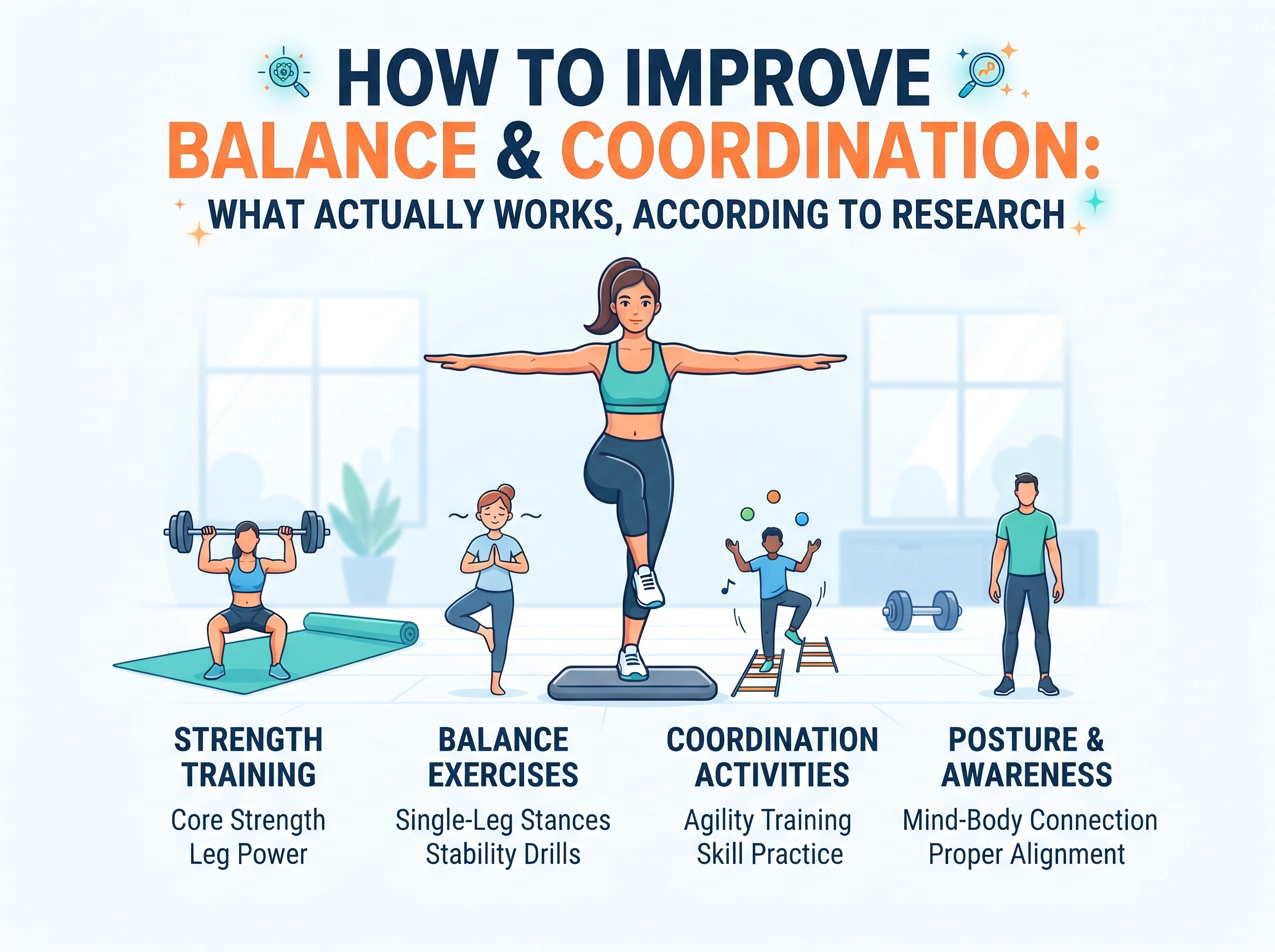
A functional home gym is a collection of versatile equipment designed to train your body through natural, multi-joint movements. Instead of isolating single muscles, as many traditional machines do, functional training mimics real-life actions—squatting, lifting, twisting, and reaching.
According to research published in the ACSM's Health & Fitness Journal (2010), functional training incorporates multiplanar, multi-joint exercises that challenge balance, coordination, and core stability. This approach builds strength you can actually use, whether you're carrying groceries, climbing stairs, or playing a sport.
The beauty of a functional home gym lies in its efficiency. A handful of well-chosen tools can replace an entire room of single-purpose machines. That makes it ideal for anyone working with limited space, a tight budget, or a busy schedule.
Why a Functional Trainer Anchors Your Home Gym
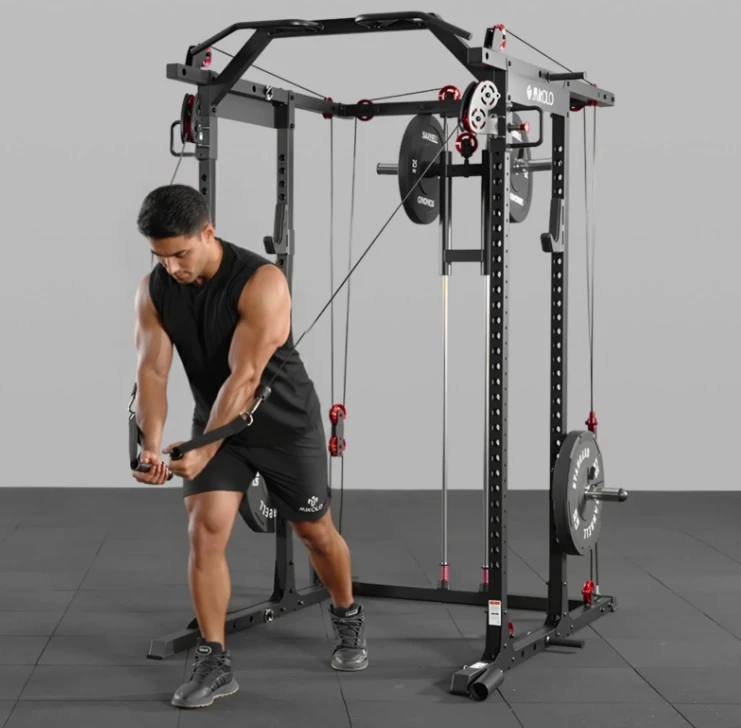
A functional trainer is often the centerpiece of a serious home setup. This cable-based machine uses adjustable pulleys to let you perform hundreds of exercises—chest presses, rows, lat pulldowns, cable crossovers, squats, and core rotations—all from one station.
The REP Fitness Arcadia Functional Trainer, for example, features 32 cable positions and dual weight stacks that each reach up to 170 pounds, delivering a total of 340 pounds at a 2:1 ratio. That range covers beginners and advanced lifters alike. The dual-stack design also lets two people train at once or allows unilateral work to correct muscle imbalances.
Cable machines, like a functional trainer, offer constant tension throughout each movement, which many lifters find easier on the joints than free weights. The adjustable pulleys mean you can target muscles from nearly any angle—high, low, or horizontal.
Choose a functional trainer if you want maximum exercise variety from a single machine and have the floor space and budget to support it. It's the closest you'll get to a full commercial gym in one piece of equipment.
How Adjustable Dumbbells Save Space and Money
Adjustable dumbbells solve one of the biggest problems in any home gym: storage. Instead of buying multiple fixed-weight pairs that crowd your floor, a single set of adjustable dumbbells replaces an entire rack. With a quick turn of a dial or pin, you can shift from light weights for shoulder raises to heavy loads for chest presses.
This versatility makes adjustable dumbbells a foundational tool for functional training. You can perform goblet squats, lunges, overhead presses, rows, and dozens of other compound movements that recruit multiple muscle groups at once.
The practical benefits are clear:
- Space efficiency: One pair replaces 5 to 15 sets of traditional dumbbells.
- Cost savings: You pay once instead of buying weights incrementally.
- Faster workouts: Quick weight changes keep your heart rate up during supersets and circuits.
- Progressive overload: Easy weight adjustments help you add resistance as you get stronger.
For anyone short on room, adjustable dumbbells deliver the most strength-training value per square foot. They pair perfectly with a bench to expand your exercise options even further.
Are Resistance Bands Worth Adding to Your Setup?
Yes—resistance bands are one of the most affordable and portable additions to any functional home gym. These elastic bands provide variable resistance that increases as you stretch them, challenging your muscles throughout the entire range of motion.
Resistance bands shine because of their flexibility. You can use them for:
- Strength work, like banded squats, presses, and rows
- Mobility and warm-ups to prepare joints for heavier lifting
- Assisted exercises, such as making pull-ups easier
- Rehab and prehab to strengthen smaller stabilizing muscles
They weigh almost nothing, fit in a drawer, and travel easily, making them ideal for small apartments or anyone who works out on the go. Pair resistance bands with adjustable dumbbells or a suspension trainer, and you significantly expand your exercise library without adding clutter.
For beginners, resistance bands offer a low-impact entry point into strength training. For advanced lifters, they add accommodating resistance to traditional movements. Few tools deliver this much value at such a low price.
How a Suspension Trainer Builds Strength Anywhere
A suspension trainer uses your own body weight and gravity to build strength, balance, and core stability. The system relies on two adjustable straps anchored to a door, beam, or wall mount. By changing your body angle, you control the difficulty of every exercise.
The TRX GO Suspension Trainer is a popular example—lightweight, portable, and designed for full-body workouts at home or while traveling. With a single anchor point, you can perform rows, chest presses, squats, lunges, planks, and dozens of core exercises.
What makes a suspension trainer especially valuable for functional fitness is its constant demand on your core. Because you're stabilizing your body throughout each rep, even simple movements engage your midsection and improve balance.
Choose a suspension trainer if portability and core strength matter most to you, or if you want an affordable way to train your entire body without heavy equipment. It's one of the smartest investments for a truly compact home gym.
What Are the Best Compact All-in-One Home Gym Systems?
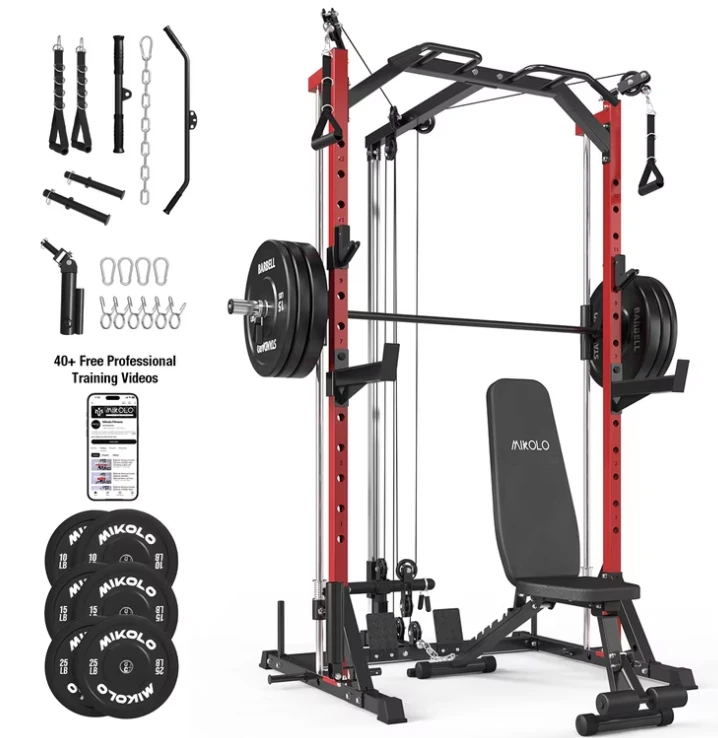
If you want a complete strength setup in one footprint, an all-in-one compact home gym system may be your best option. These machines combine multiple stations—pulleys, presses, and weight stacks—into a single unit, letting you train your whole body without swapping equipment.
Several standout options appear among popular functional home gym equipment:
- SincMill Home Gym Multifunctional Full Body Workout Equipment: A multifunction station featuring a pulley system, arm trainer, and leg developer for full-body workouts.
- Marcy Multifunctional Workout Station: A durable steel home gym with a 150-pound weight stack, designed for weightlifting and bodybuilding across multiple muscle groups.
- Mikolo Home Gym: A workout station with a 150-pound weight stack and multifunctional design for varied strength exercises.
- Sunny Health & Fitness Multifunctional All-in-One Pulley Cable Home Gym: A cable-based system that delivers gym-quality training in a compact form.
- Major Fitness Drone MAX V Smith Machine: A heavy-duty all-in-one squat rack with a 2,500-pound capacity, dual lat pulldown systems, and a cable crossover for serious lifters who want a full power rack and functional trainer in one frame.
These systems work well for households where multiple people train, or for anyone who prefers the guided movements and built-in safety of a stack-loaded machine. A Smith machine like the Major Fitness Drone series adds a guided barbell path with adjustable safety stops, making heavy lifting safer when you train alone.
Choose an all-in-one system if you want guided, machine-based training and have dedicated floor space. They cost more upfront but consolidate many functions into one purchase.
What Are the Benefits of Building a Functional Home Gym?
Investing in a functional home gym pays off in ways that extend well beyond convenience. Here are the key advantages:
- Time savings. No commute, no waiting for equipment, and no crowded peak hours. Your gym is always open, which makes it far easier to maintain consistency.
- Long-term cost savings. Gym memberships add up year after year. A one-time investment in quality equipment often pays for itself within a year or two.
- Versatile, full-body training. Functional equipment—a functional trainer, adjustable dumbbells, resistance bands, and a suspension trainer—lets you train every muscle group through natural movement patterns.
- Real-world strength. Functional training improves the strength, balance, and coordination you use in daily life and sports, not just isolated muscle size.
- Privacy and comfort. Train on your own terms, in your own space, at any hour. This matters especially for beginners who feel self-conscious in commercial gyms.
- Whole-family use. Adjustable equipment and dual-stack machines accommodate different fitness levels under one roof.
Research on strength and resistance training consistently links regular training to improved muscle mass, bone density, metabolic health, and mental well-being. A home setup removes the barriers that often derail consistency—and consistency is what drives results.
How Do You Set Up a Compact Home Gym?
Setting up a functional home gym doesn't require a dedicated room. With smart planning, even a corner of a garage, spare bedroom, or living area can become a complete training space. Follow these tips:
- Measure your space first. Note ceiling height, floor area, and door clearance before buying anything—especially for a functional trainer or all-in-one system.
- Start with versatile basics. Begin with adjustable dumbbells, resistance bands, and a suspension trainer. These three cover a huge range of exercises at a low cost and minimal footprint.
- Protect your floors. Lay down rubber mats to absorb impact, reduce noise, and protect both your equipment and flooring.
- Prioritize vertical storage. Use wall mounts and racks to keep bands, mats, and smaller tools off the floor.
- Match equipment to your goals. If strength is your focus, prioritize a functional trainer or all-in-one system. If mobility and travel matter, lean into bands and a suspension trainer.
- Build gradually. Add pieces over time as your budget and skills grow, rather than buying everything at once.
- Plan for movement. Leave enough open floor for lunges, planks, and dynamic exercises that need room to perform safely.
A thoughtful layout keeps your compact home gym safe, organized, and motivating—three factors that directly affect how often you'll actually use it.
Frequently Asked Questions
How much does it cost to build a functional home gym?
Costs vary widely. A minimalist setup with adjustable dumbbells, resistance bands, and a suspension trainer can run a few hundred dollars. A premium build with a functional trainer or all-in-one system like the Major Fitness Drone MAX V can reach several thousand. Start small and expand as your budget allows.
What is the most important piece of functional home gym equipment?
For most people, adjustable dumbbells offer the best balance of versatility, space efficiency, and value. If you want maximum exercise variety in one machine, a functional trainer is the strongest single investment.
How much space do I need for a compact home gym?
You can build an effective setup in as little as a corner of a room. Resistance bands and a suspension trainer take up almost no space, while a functional trainer or all-in-one system typically requires several feet of floor space and ceiling clearance for overhead movements.
Can beginners use functional home gym equipment?
Absolutely. Resistance bands and a suspension trainer are especially beginner-friendly because they let you control resistance by adjusting your body position or band tension. Start light, focus on form, and progress gradually.
Is a functional trainer better than free weights?
Neither is strictly better—they serve different purposes. A functional trainer offers constant tension, joint-friendly resistance, and a variety of angles, while free weights like adjustable dumbbells build raw strength and stabilizer engagement. Many home gyms benefit from including both.
Start Building Your Functional Home Gym Today
A functional home gym puts complete, full-body training within reach—no membership, no commute, and no compromise on results. By combining versatile tools like a functional trainer, adjustable dumbbells, resistance bands, and a suspension trainer, you create a space that adapts to your goals, your schedule, and your square footage.
The best approach is to start with versatile basics, match your equipment to your space and goals, and build gradually over time. Whether you choose a compact all-in-one system or a few smart, portable tools, the key is consistency—and a home gym makes that easier than ever.
Ready to take the first step? Measure your space, set your budget, and choose the equipment that fits your fitness goals. Your strongest, most consistent self starts at home.
Authoritative References
Thompson, W. R. (2010). Functional Training: Fad or Here to Stay? ACSM's Health & Fitness Journal.
Feito, Y., Heinrich, K. M., Butcher, S. J., & Poston, W. S. C. (2018). High-Intensity Functional Training (HIFT): Definition and Research Implications for Improved Fitness. Sports (MDPI), 6(3), 76.
Harvard Health Publishing. Strength Training Builds More Than Muscles. Harvard Medical School.
Mayo Clinic. Strength Training: Get Stronger, Leaner, Healthier. Mayo Clinic Healthy Lifestyle.
American Council on Exercise (ACE). Functional Training Resources and Exercise Library. ACE Fitness.