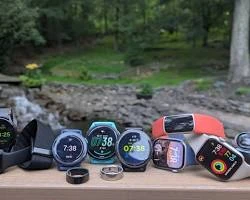
The Modern Athlete’s Edge: Why Fitbit is More Than Just a Step Counter
In the landscape of modern health and wellness, data has become the most valuable tool in an athlete’s arsenal. Whether you are a weekend warrior, a dedicated bodybuilder, or someone simply looking to improve their overall well-being, understanding how your body responds to stress, recovery, and movement is key. For years, the term "fitness tracker" was synonymous with counting steps, but the technology has evolved into a sophisticated health-management platform. Enter the current generation of Fitbit devices, which are redefining what it means to train smarter.
The integration of advanced sensors, artificial intelligence, and seamless ecosystem connectivity has turned the humble wrist-worn device into a performance powerhouse. Today, we are exploring how these devices serve as a strength-training fitness tracker, a weightlifting activity monitor, and a vital heart rate monitor for gym environments, all while delivering the advanced workout performance metrics that serious athletes demand.
1. The Power of Precise Data: Beyond Basic Metrics
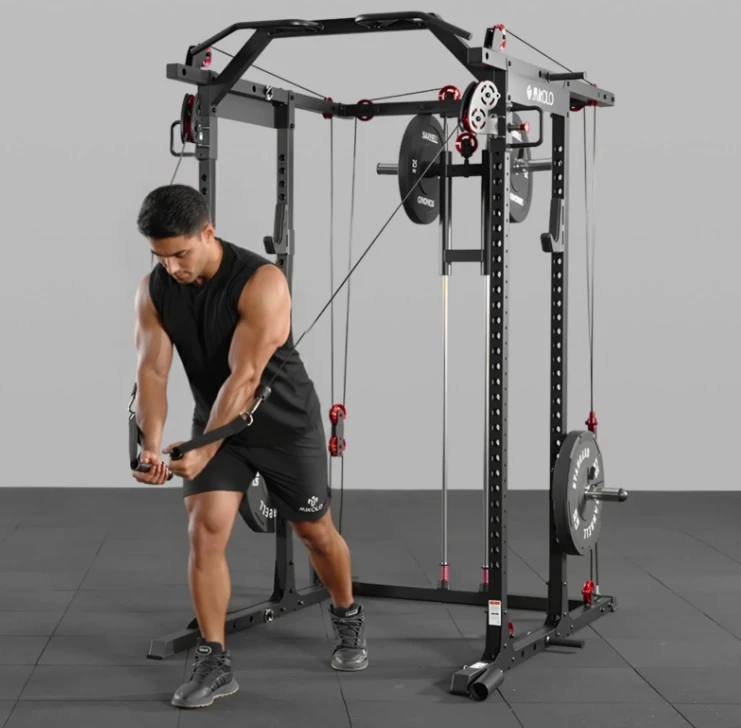
For those who spend significant time in the weight room, the challenge has always been quantifying progress. While cardio is easy to measure in terms of distance or time, strength training is more nuanced. You aren't just looking at calories burned; you are looking at time under tension, heart rate spikes, and recovery intervals.
Fitbit devices excel here by providing real-time physiological data that helps you understand the intensity of your sessions. When you use your device as a heart rate monitor for gym work, you are doing more than just tracking how hard your heart is working; you are monitoring your cardiovascular strain. This allows you to adjust your rest periods between sets effectively. If your heart rate stays elevated, your body needs more recovery time before hitting that next heavy set.
2. Tailoring Fitbit for the Strength Athlete
Many users worry that fitness trackers are built only for runners or cyclists. However, the latest Fitbit models, such as the Charge 6 and the Sense 2, are robust tools for the iron community. As a weightlifting activity monitor, Fitbit allows you to log specific sessions, helping you track your consistency over time.
When you engage in heavy lifting, the intensity is anaerobic, which can sometimes be difficult for standard optical heart rate sensors to capture perfectly. However, the latest algorithms—aided by AI—have significantly improved accuracy during vigorous, short-burst movements. By tracking your zones, you can ensure you spend enough time at your target training intensity, maximizing the metabolic impact of your resistance training.
3. Advanced Workout Performance Metrics
The true "pro" features lie in the software. With the Google Health ecosystem, users gain access to advanced workout performance metrics that translate raw data into actionable insights. Features like "Cardio Load" and "Daily Readiness Score" are game-changers.
Daily Readiness: This metric analyzes your sleep quality, resting heart rate, and recent activity levels. If the score is low, your Fitbit might suggest a recovery day or light mobility work rather than an intense lifting session. This prevents overtraining and injury.
Active Zone Minutes (AZM): This is arguably the most important metric for general health. It tracks how long you spend in "fat burn," "cardio," or "peak" zones. For the athlete, this helps in programming different phases of training—whether you are focusing on hypertrophy (moderate-high intensity) or maximal strength (varying intensity).
4. A Durable Fitness Wearable for Athletes
When you are lifting heavy weights or performing high-intensity interval training, you need equipment that can keep up. A durable fitness wearable for athletes needs to withstand sweat, high-impact movements, and the occasional knock against a barbell or dumbbell.
Modern Fitbits are built with high-quality materials and are water-resistant up to 50 meters. The silicone bands are designed for comfort and breathability, ensuring that they don't slide around during a heavy snatch or a bench press set. Their low profile is also a significant advantage—unlike bulky smartwatches that might interfere with your wrist mobility or get caught on clothing, the sleek design of the Fitbit Charge or the discreet nature of the new Fitbit Air allows you to focus entirely on your form.
5. Leveraging the Google Health Coach
Technology is only as good as the advice it gives you. The inclusion of the Google Health Coach in the Premium experience adds a layer of intelligence previously reserved for professional athletes with their own trainers. You can ask your coach, "How should I structure my upper-body workout?" or "Is my fitness improving?" and receive data-backed responses.
This AI-driven feedback loop is essential for long-term growth. It helps you manage your recovery, understand your sleep architecture, and ensure that your training stress is appropriately balanced against lifestyle factors like nutrition and stress management.
Choosing the Right Fitbit for Your Goals
With the diverse lineup available in 2026, there is a device for every type of trainee:
For the Serious Data User: The Fitbit Sense 2 is the premium choice, offering the most advanced sensor suite for monitoring your body’s stress, heart rhythm, and activity metrics.
For the Dedicated Athlete: The Fitbit Charge 6 remains the gold standard. It provides the perfect balance of a vibrant screen, built-in GPS, and advanced heart rate tracking, all in a non-intrusive form factor for intense training.
For the Minimalist: The newly released Fitbit Air is a breakthrough for those who want a "screenless" experience. It tracks everything in the background, allowing you to stay focused on your lift without being distracted by notifications or constant screen checking.
Conclusion: Investing in Your Athletic Future
In the gym, consistency is king, but recovery is the queen. A Fitbit device does not just track your activity; it helps you build a holistic map of your health. By using your tracker to monitor your resting heart rate trends, sleep quality, and exercise intensity, you are moving away from guessing and toward a scientific approach to your fitness.
Whether you are looking for a reliable strength training fitness tracker to keep your rest intervals on point, or you simply need a durable fitness wearable for athletes that can survive your toughest sessions, Fitbit provides the reliability and depth of data needed to reach your next milestone. Your fitness journey is a marathon, not a sprint—make sure you have the right technology to track every step of the way.
Authoritative References
Google Health Help Center. (2026). What are advanced running and form metrics. Retrieved from support.google.com/googlehealth/answer/15400594
SeniorSite. (2026). Best Fitbit for Seniors in 2026: An Easy Guide for Older Adults. Retrieved from seniorsite.org/resource/best-fitbit-for-seniors-in-2026-an-easy-guide-for-older-adults/
PCMag. (2026). The Best Fitness Trackers We've Tested for 2026. Retrieved from pcmag.com/picks/the-best-fitness-trackers
Brown Health. (2026). How Fitness Trackers Can Help You Manage Your Health. Retrieved from brownhealth.org/be-well/how-fitness-trackers-can-help-you-manage-your-health
Google Blog. (2026). Introducing the all-new Fitbit Air. Retrieved from blog.google/products-and-platforms/devices/fitbit/fitbit-air/