NAC: The Antioxidant Building Block for Healthy Aging
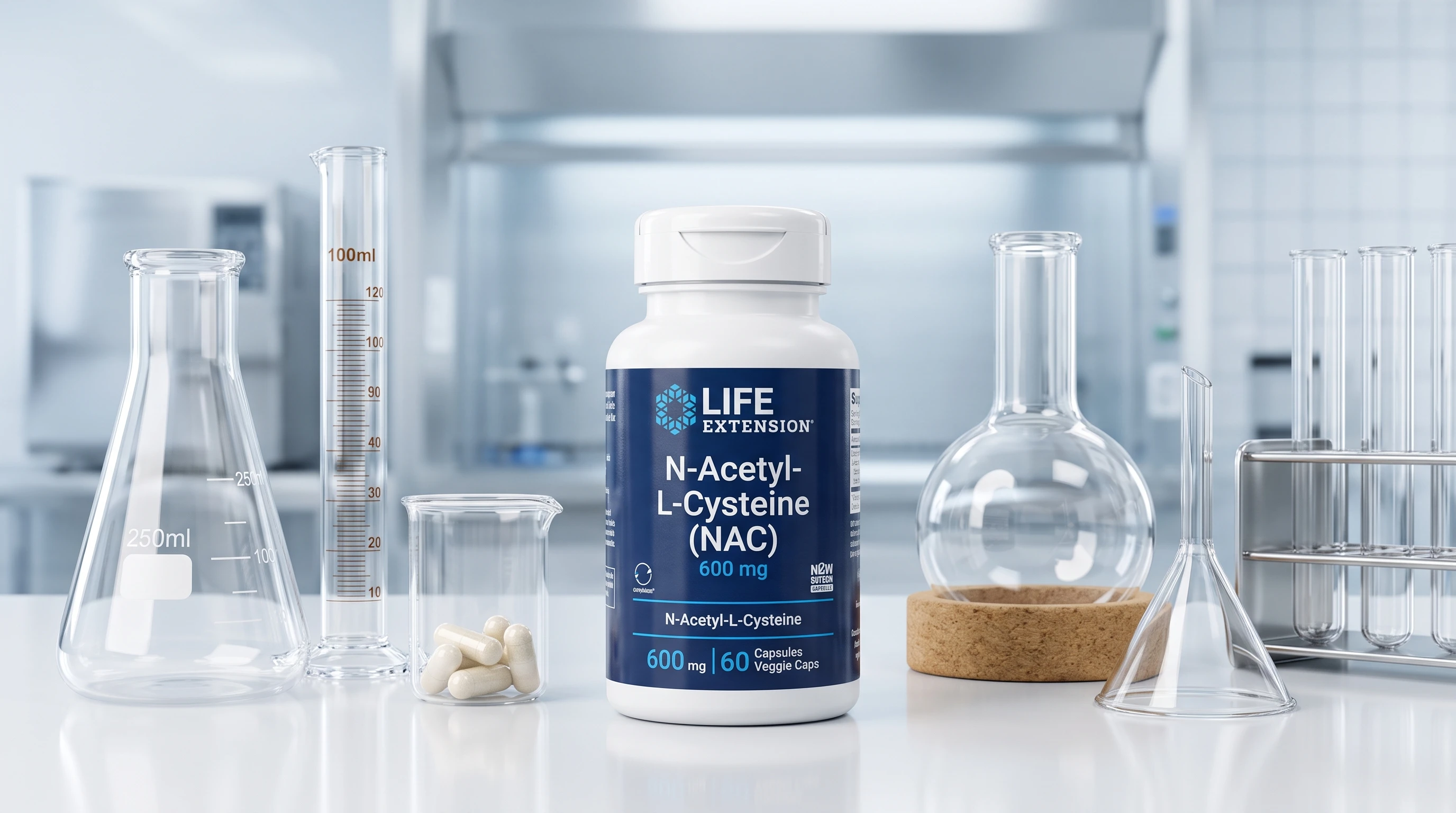
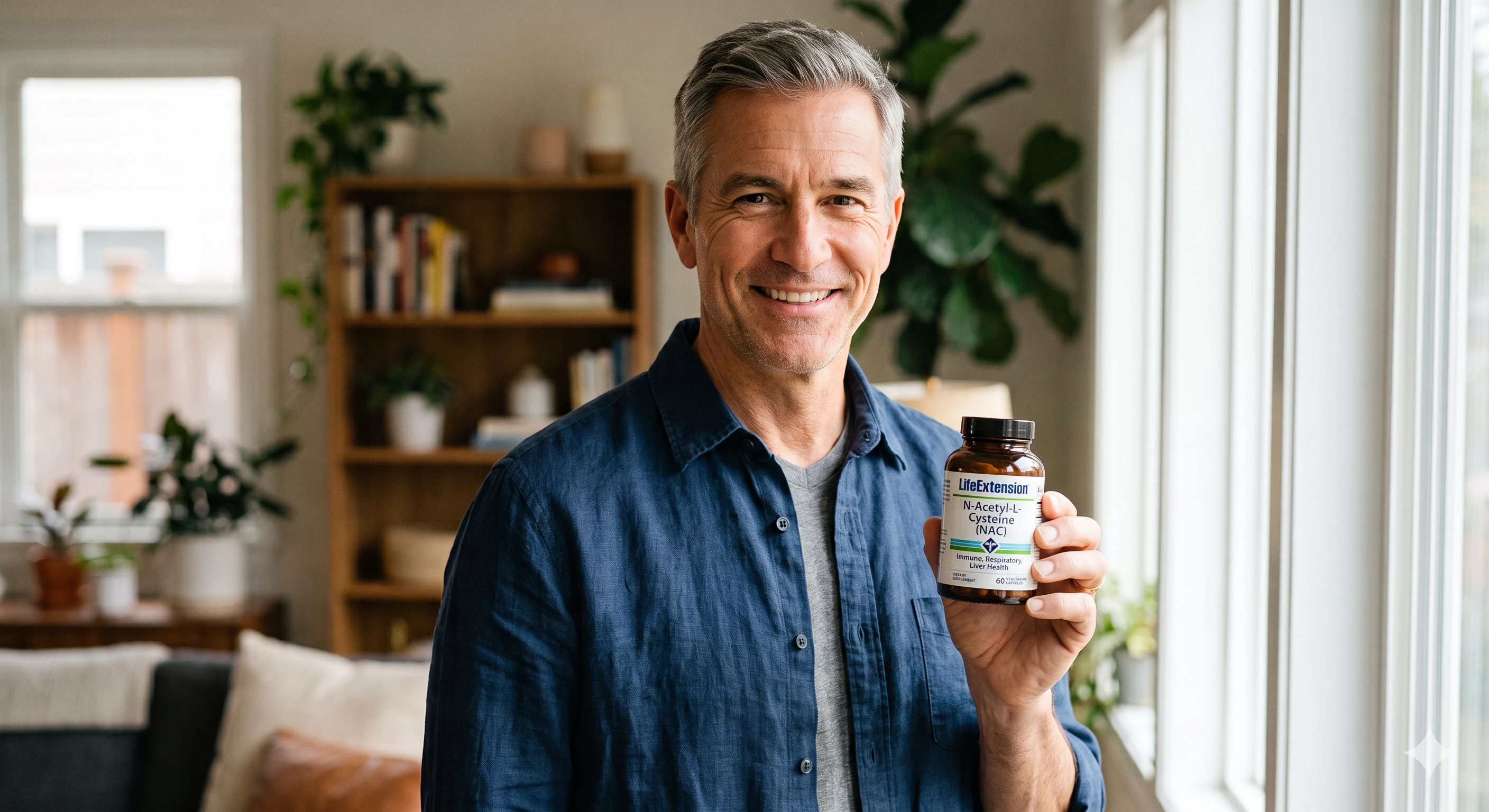
N-Acetyl-L-Cysteine (NAC) is a sulfur-rich amino acid that your body converts into glutathione, its master antioxidant....
Read ArticleThe quest for a long and vibrant life is a timeless human endeavor. While genetics play a role, our daily choices and the natural compounds we consume have a profound impact on how we age. Understanding how to slow aging naturally involves a holistic approach that combines diet, lifestyle, and targeted botanicals. Exploring natural remedies offers a powerful way to support your body's resilience, enhance vitality, and promote longevity from within.
For centuries, cultures around the world have turned to plants for their healing and life-extending properties. Modern science is now beginning to validate this ancient wisdom, revealing the mechanisms behind how certain herbs can help us live longer and healthier. The key often lies in their ability to combat oxidative stress, reduce inflammation, and support cellular health—all critical factors in the aging process.
One of the most researched compounds is curcumin, the active ingredient in turmeric. The anti-aging benefits of curcumin are extensive, primarily due to its potent anti-inflammatory and antioxidant effects. Chronic inflammation is a known driver of age-related diseases, and by mitigating this process, curcumin helps protect your body at a cellular level.
When considering the best herbs for anti-aging, several stand out:
Scientific evidence continues to grow, showing that these herbal remedies can significantly improve longevity by targeting the root causes of cellular aging.
A special class of herbs known as adaptogens helps the body resist and adapt to physical, chemical, and biological stress. Since chronic stress accelerates the aging process, incorporating adaptogenic herbs for longevity can be a transformative strategy. These plants work by modulating the body's stress response system, helping to maintain balance and prevent the cellular wear and tear that leads to premature aging.
Key adaptogens for longevity include:
Beyond herbs, specific supplements provide concentrated doses of essential nutrients that benefit people seeking a longer, healthier life. These compounds often address key biological pathways involved in aging.
What you eat is fundamental to how you age. A diet rich in antioxidants is one of the most effective ways to combat the aging process. Flavonoids are a diverse group of phytonutrients found in plants that have remarkable health benefits. Finding natural sources of flavonoids for aging is simple and delicious.
Incorporate these foods into your diet:
By integrating these powerful herbs, targeted supplements, and flavonoid-rich foods, you create a robust strategy to slow aging naturally. This approach supports your body’s inherent ability to heal and thrive, paving the way for a longer, more vibrant life.
As an Amazon Associate, Atecam Health earns from qualifying purchases. Prices & availability subject to change.
Welcome to our comprehensive aging/longevity resource center. Here you'll find evidence-based articles, expert insights, and practical guidance written by healthcare professionals and wellness specialists.
Our aging/longevity articles cover natural approaches, evidence-based supplements, lifestyle modifications, and holistic strategies — authored by qualified health professionals and reviewed for accuracy.
N-Acetyl-L-Cysteine (NAC) is a sulfur-rich amino acid that your body converts into glutathione, its master antioxidant....
Read ArticleAuthored by Terrence Shenfield, MS, RRT-ACCS, RPFT, NPS, AE-C Aging is a natural process that impacts both mind and bo...
Read ArticleIntroduction Aging is a natural process, but advancing science offers groundbreaking solutions to slow its effects. For...
Read ArticleAll articles are written by qualified healthcare professionals and reviewed for accuracy with citations to peer-reviewed research where available.
Supplements can interact with medications. Always consult your healthcare provider or pharmacist before starting any new supplement, especially if you take prescription medications.
Articles are reviewed at minimum every 12–18 months, with high-priority topics updated more frequently when significant new research emerges.
Absolutely. Contact our editorial team with your suggestion — we prioritize topics based on reader interest and available scientific evidence.
Our content is educational and should complement — not replace — professional medical advice. Always consult qualified healthcare providers for important health decisions.
Discover our complete library of 25 health and wellness categories — evidence-based resources to support every aspect of your health journey.
View All Categories